Urinetown
Director & Choreographer
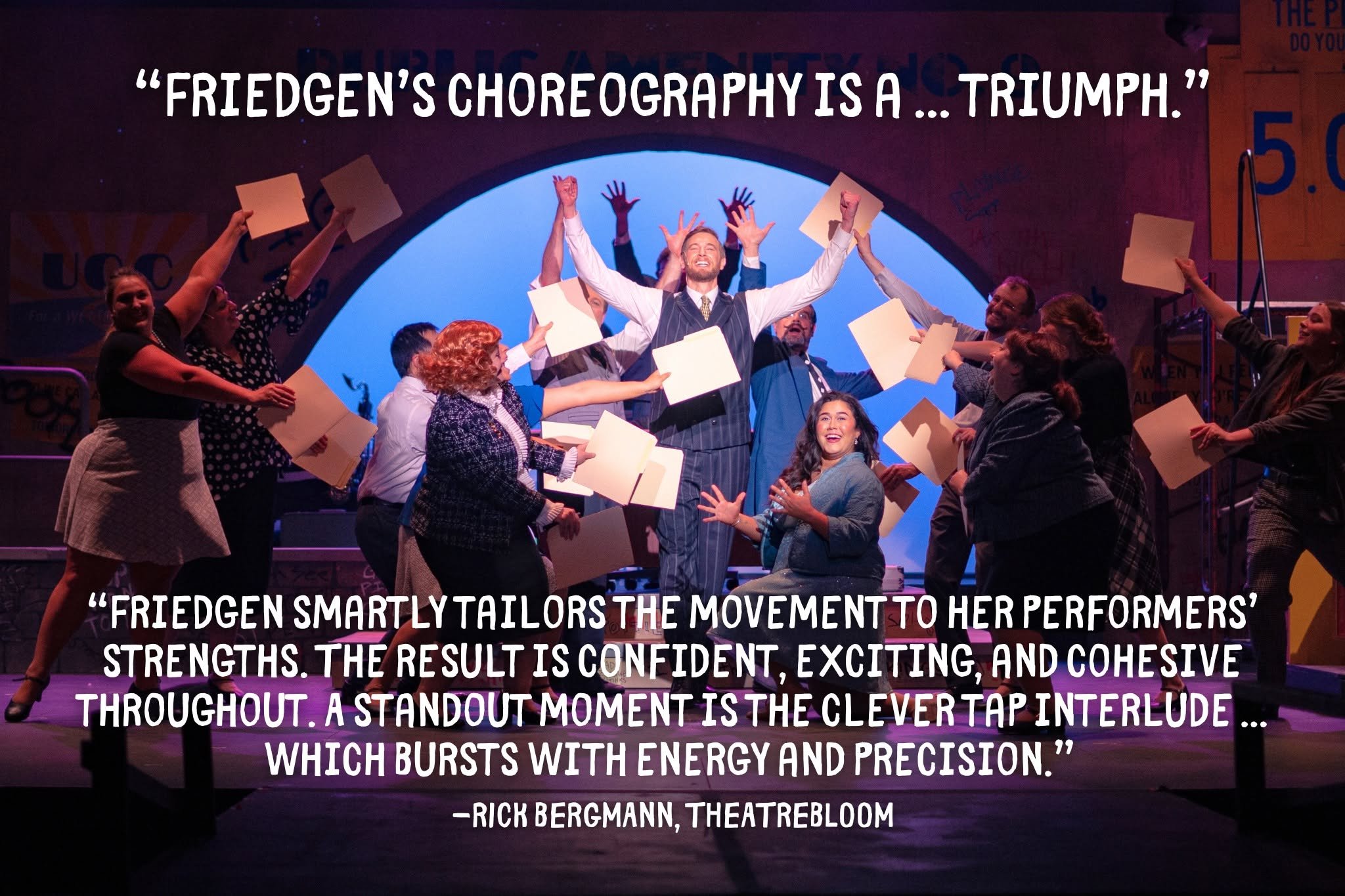
Director’s Concept
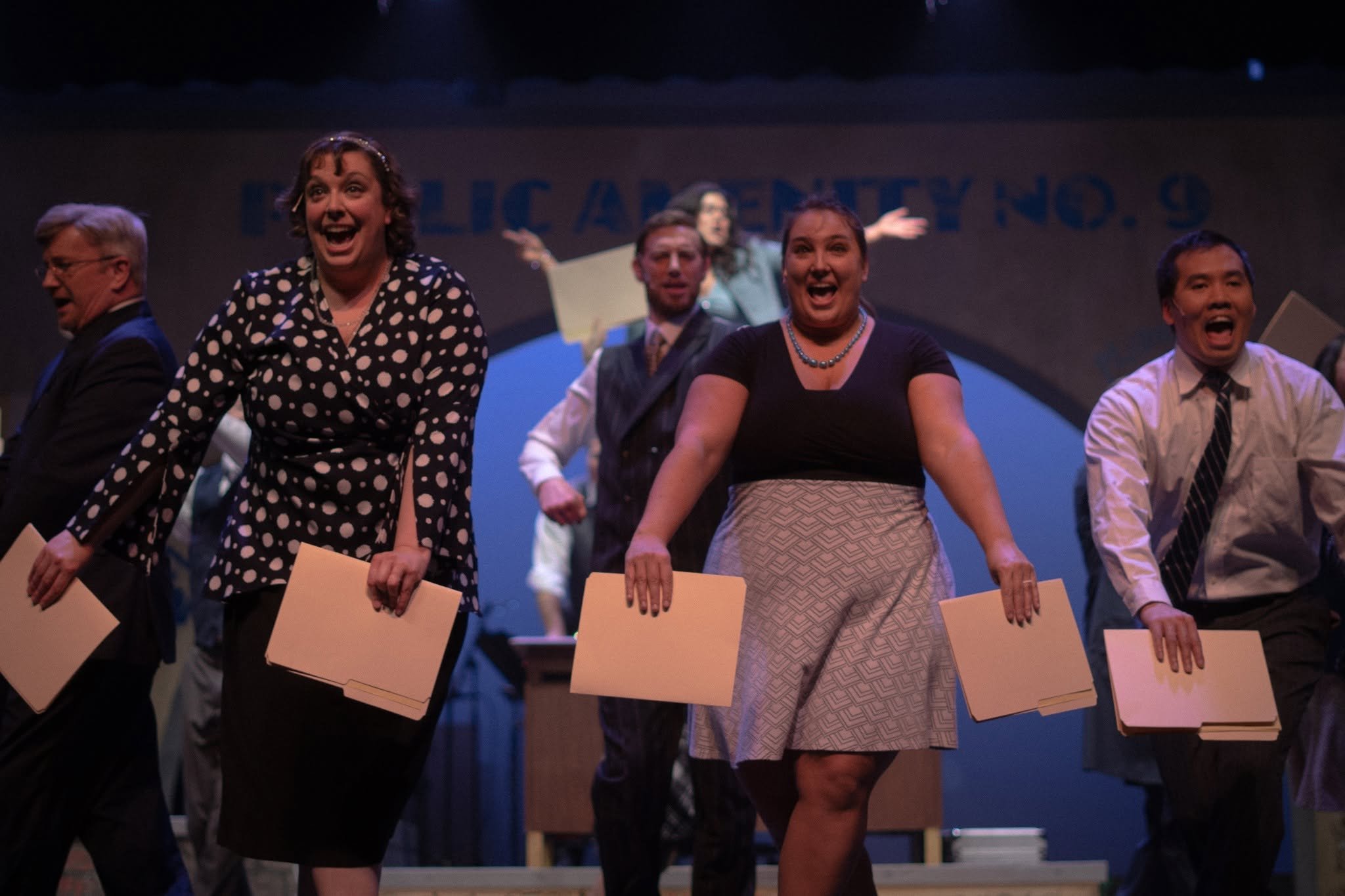
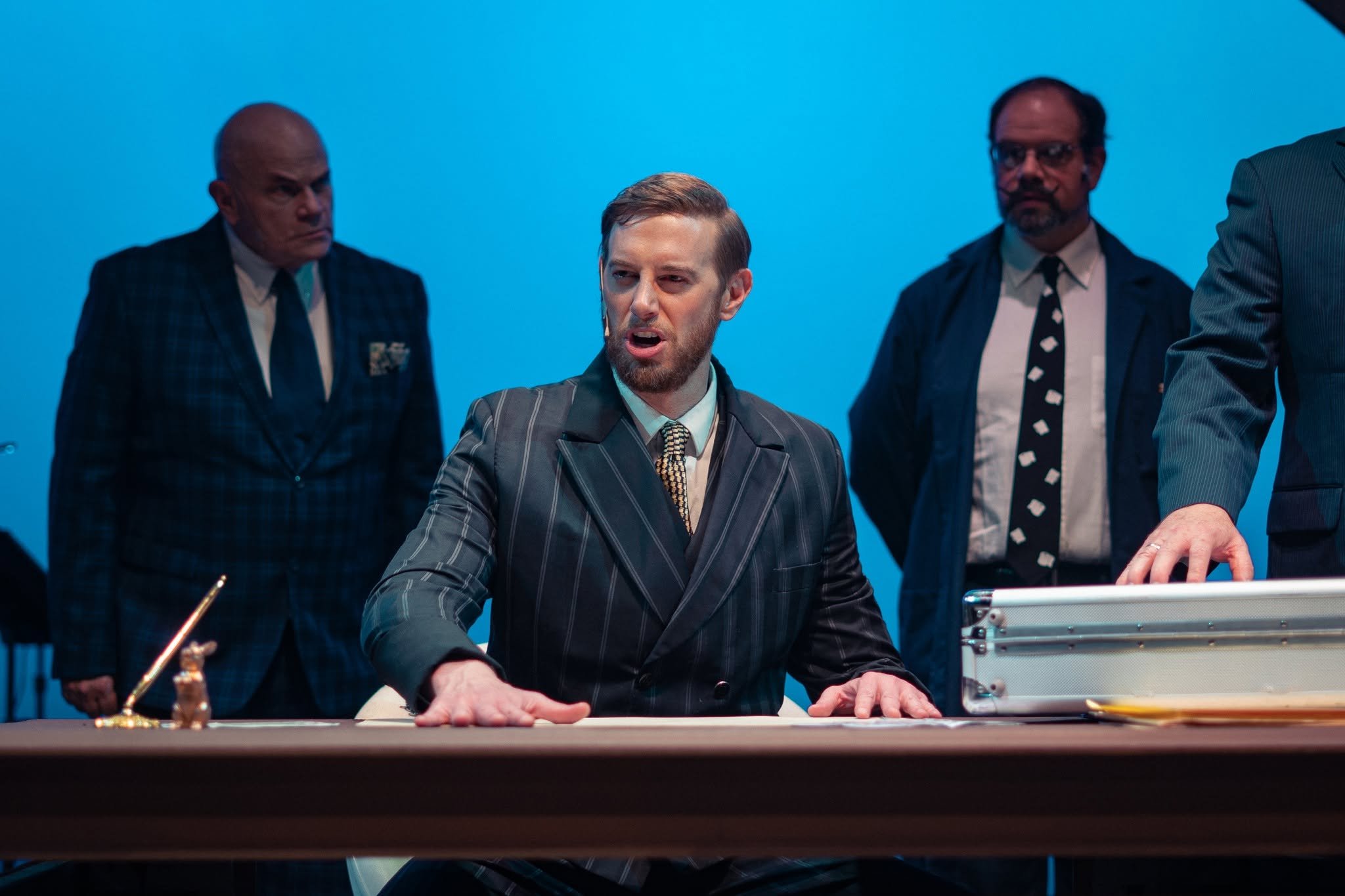
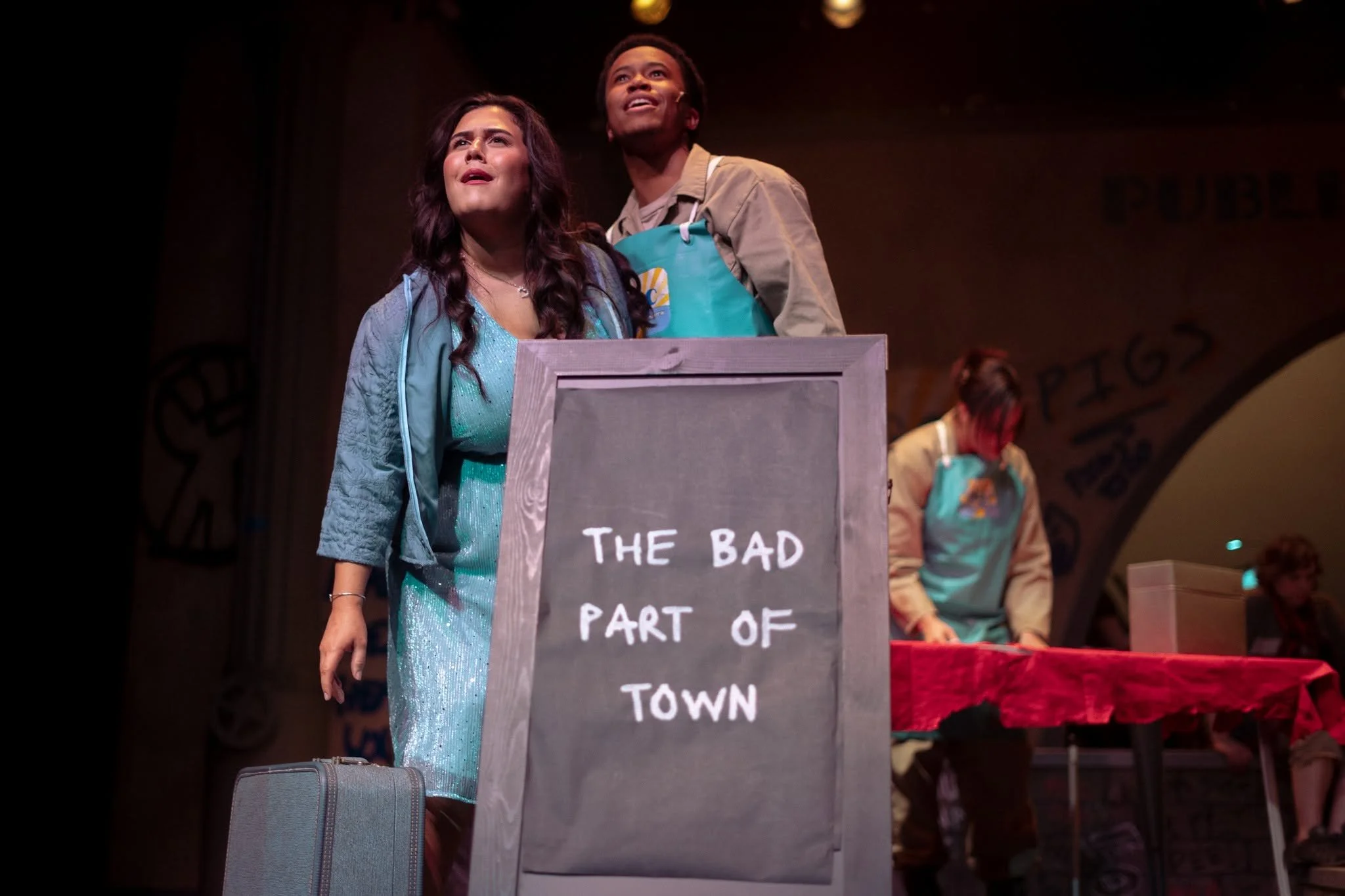
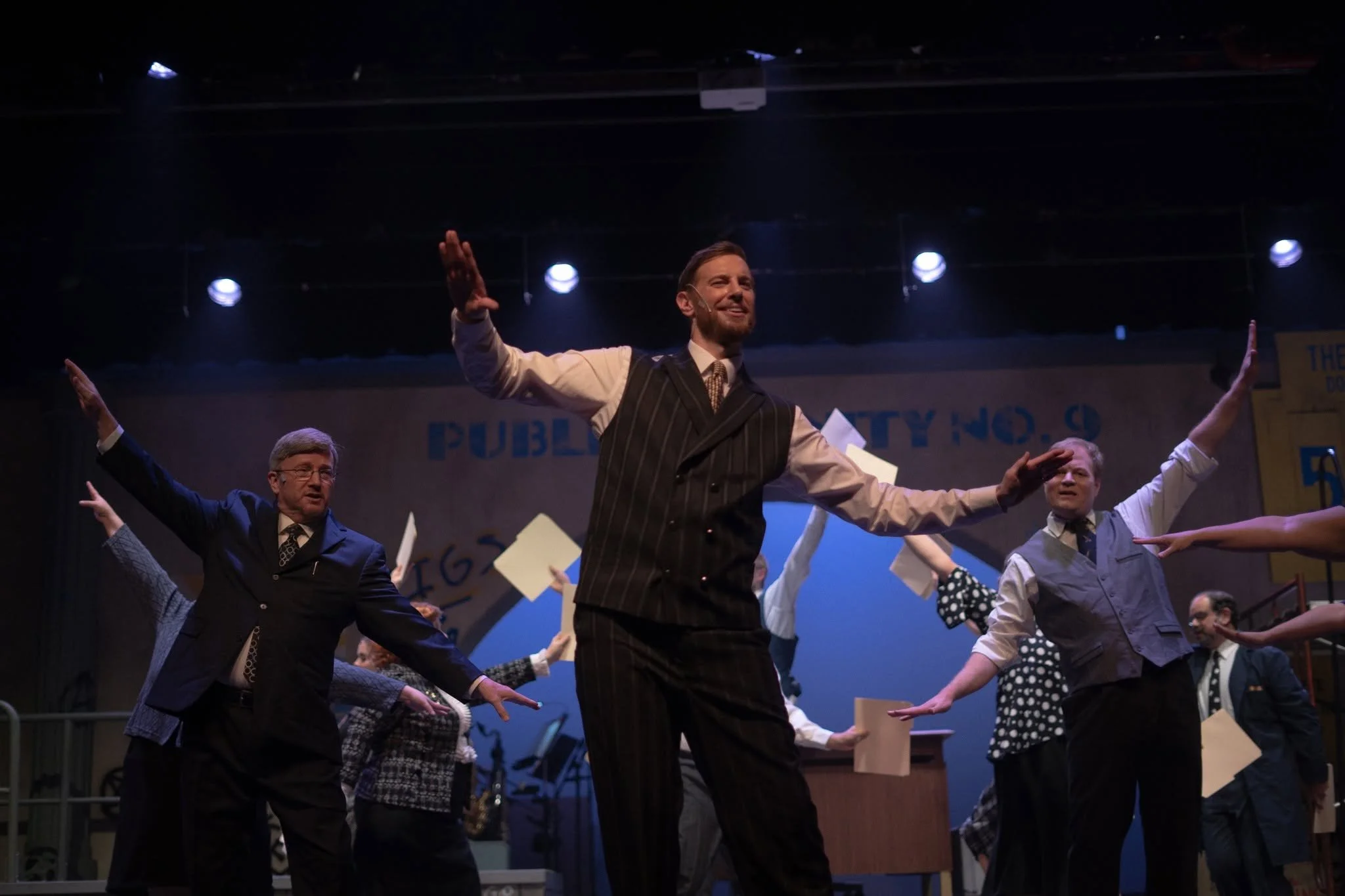
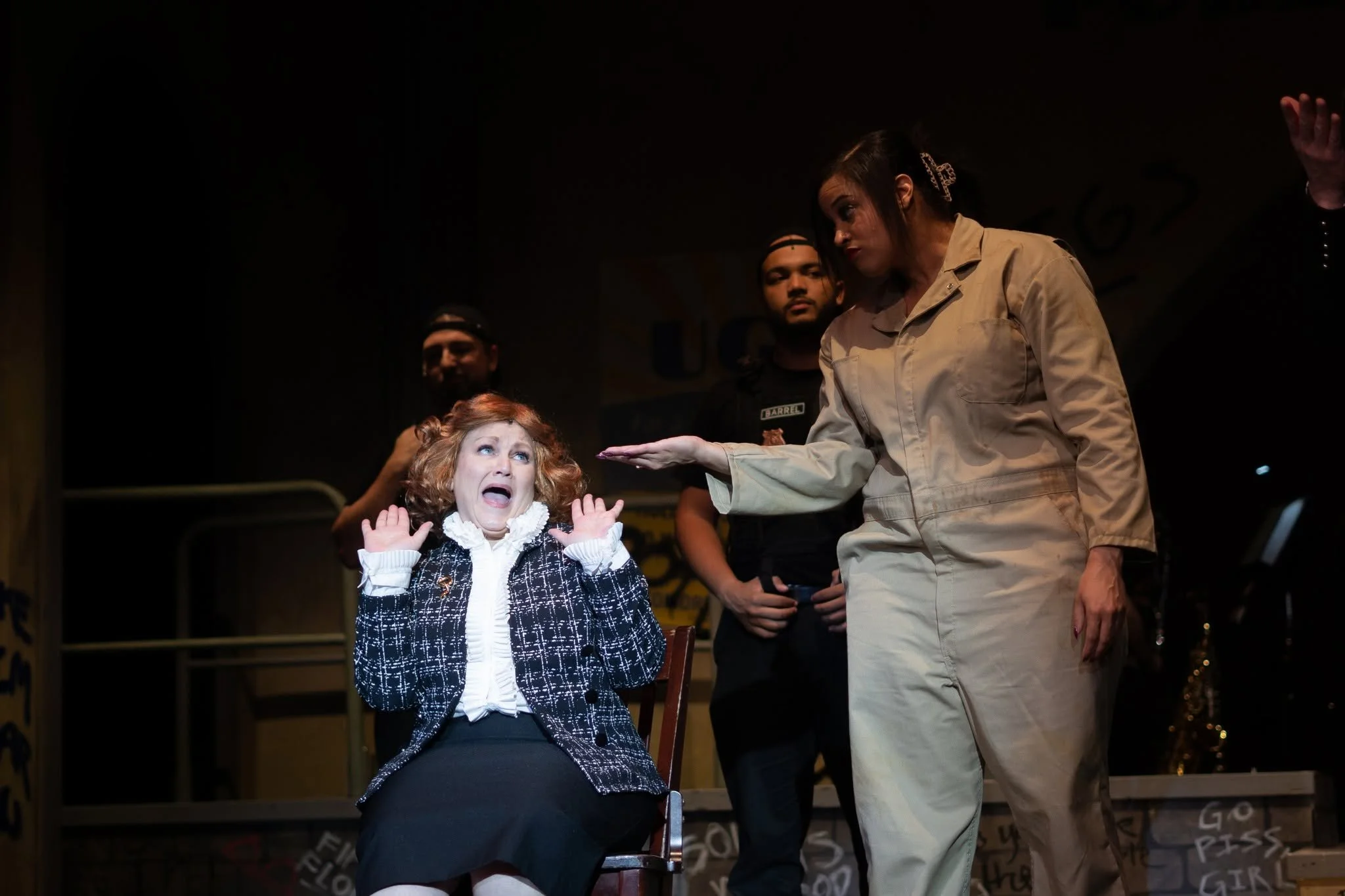
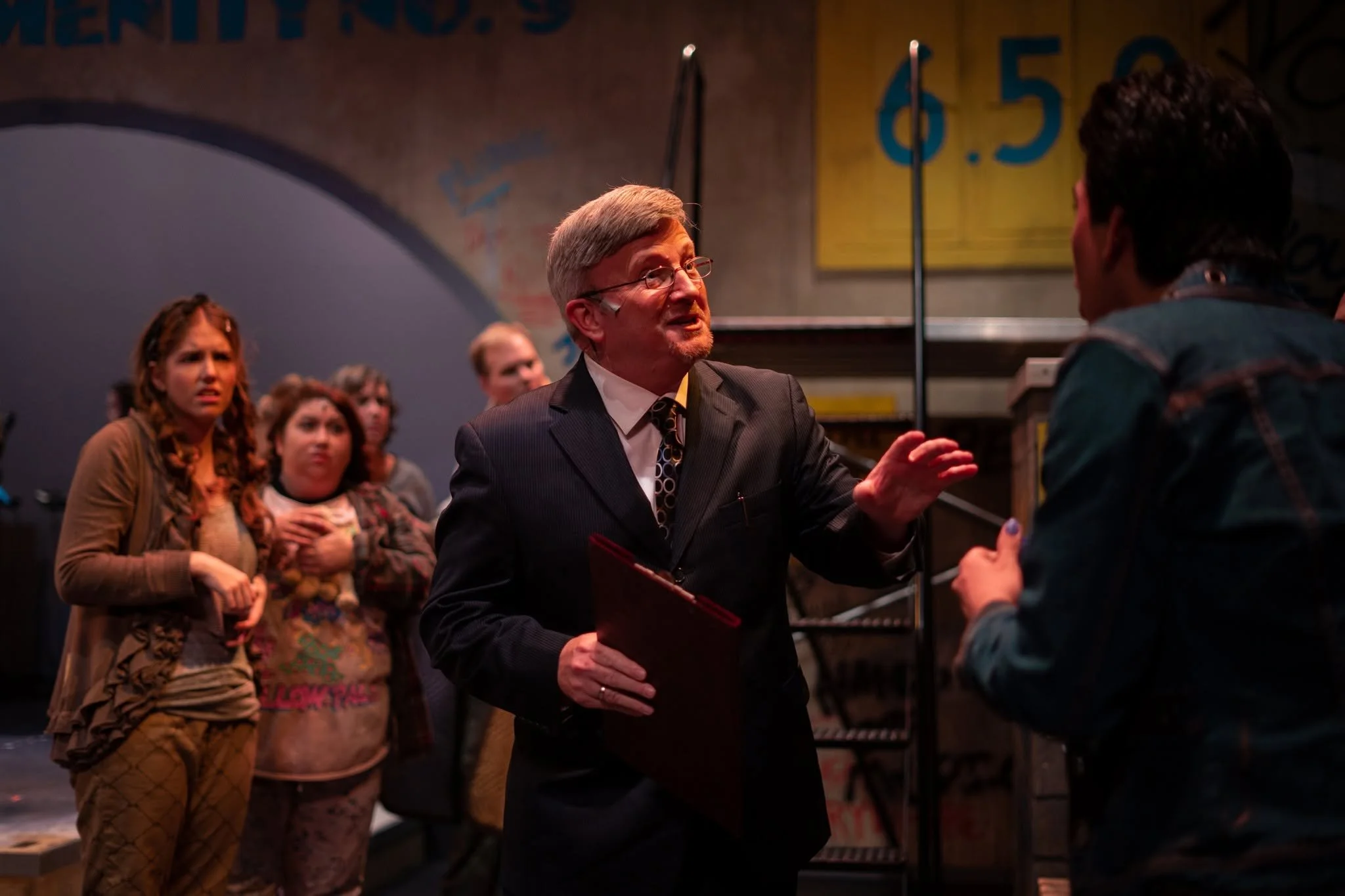
Urinetown brings together musical comedy, Epic Theatre, and theatre for social justice to tell a story that remains as urgent today as it was when it premiered in 2001. While its outrageous humor and absurd premise entertained audiences, the production embraced the musical's biting satire of corporate overreach, political corruption, environmental crisis, and the struggle over access to basic human rights.
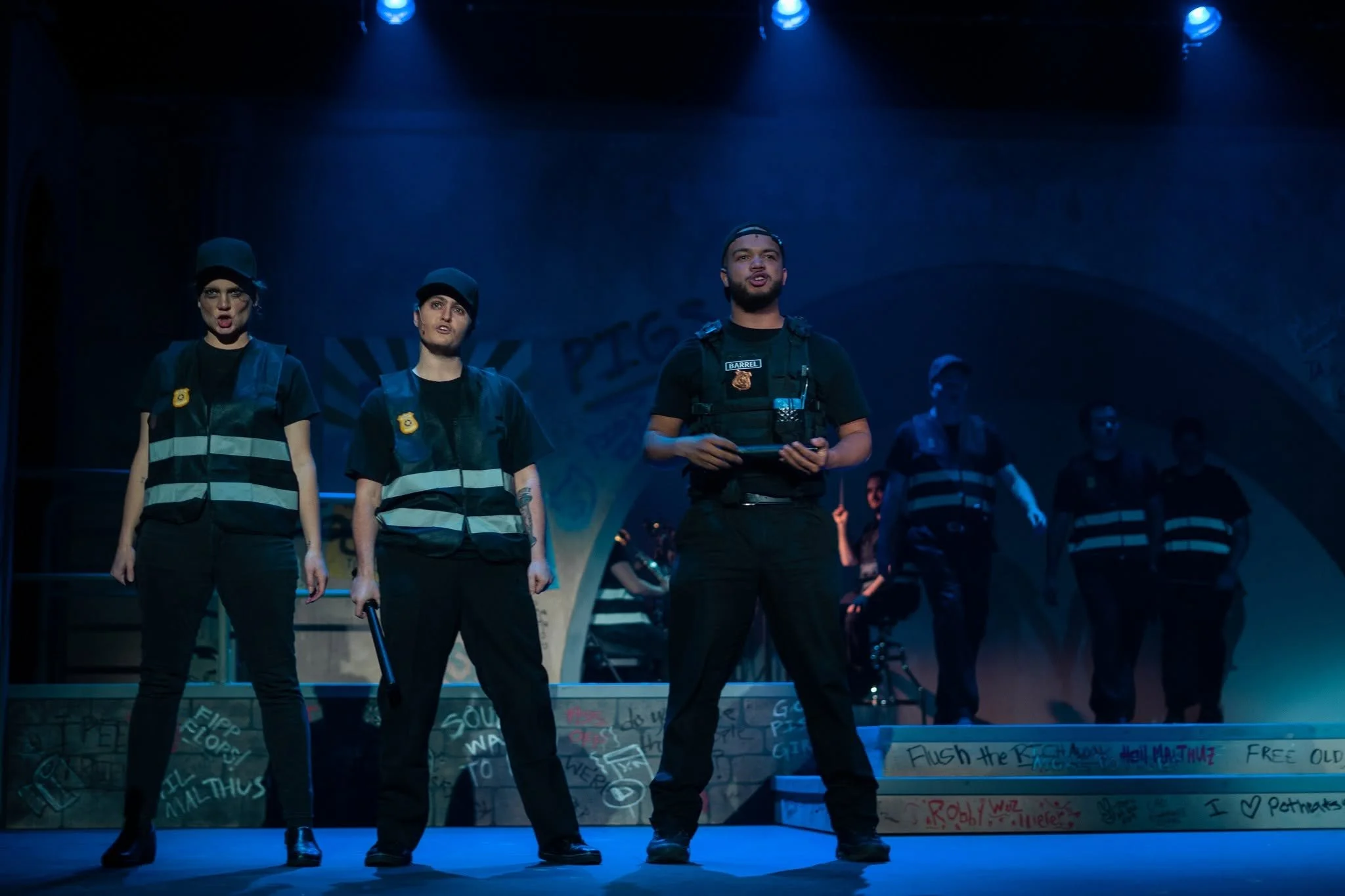
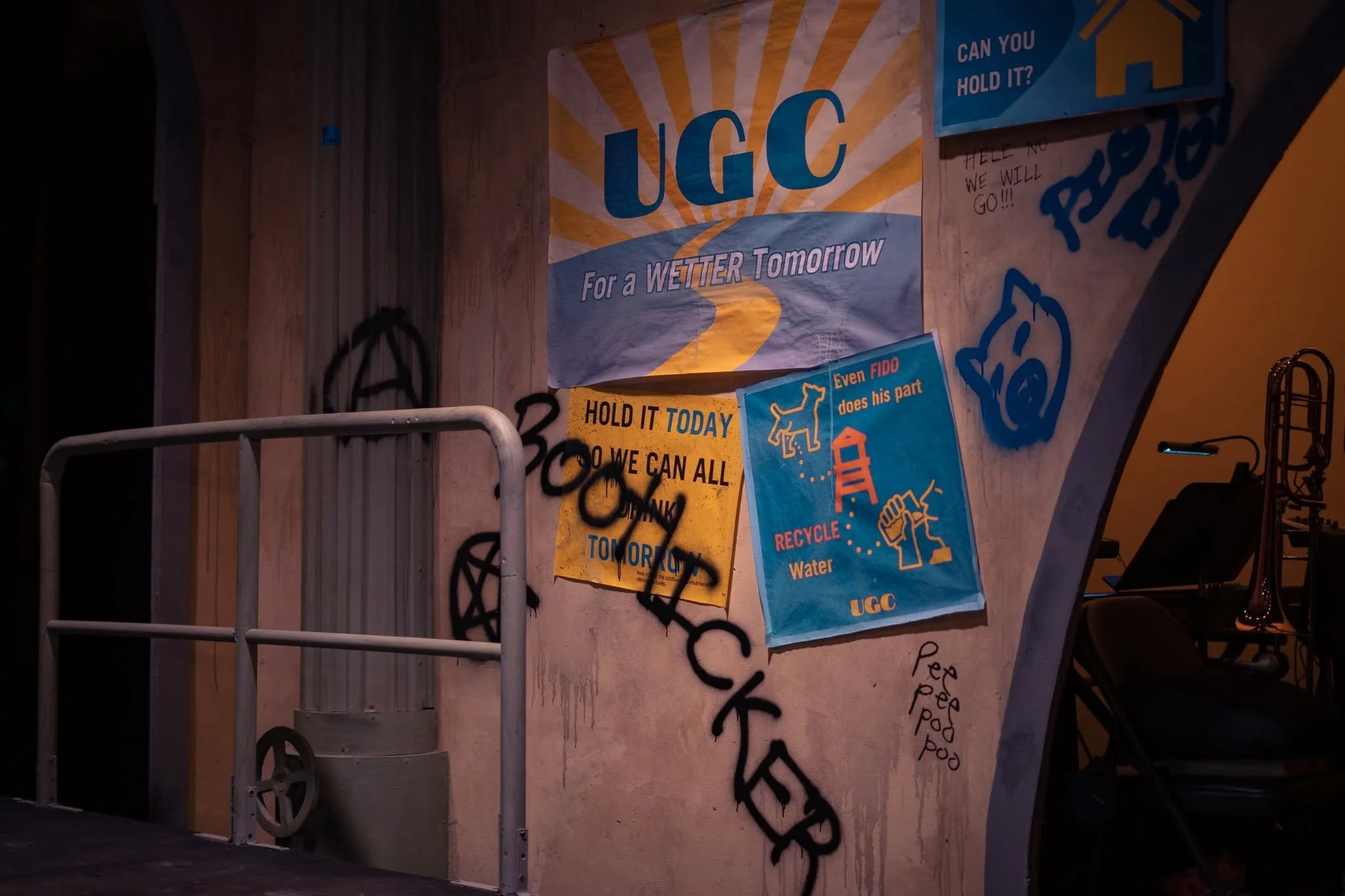
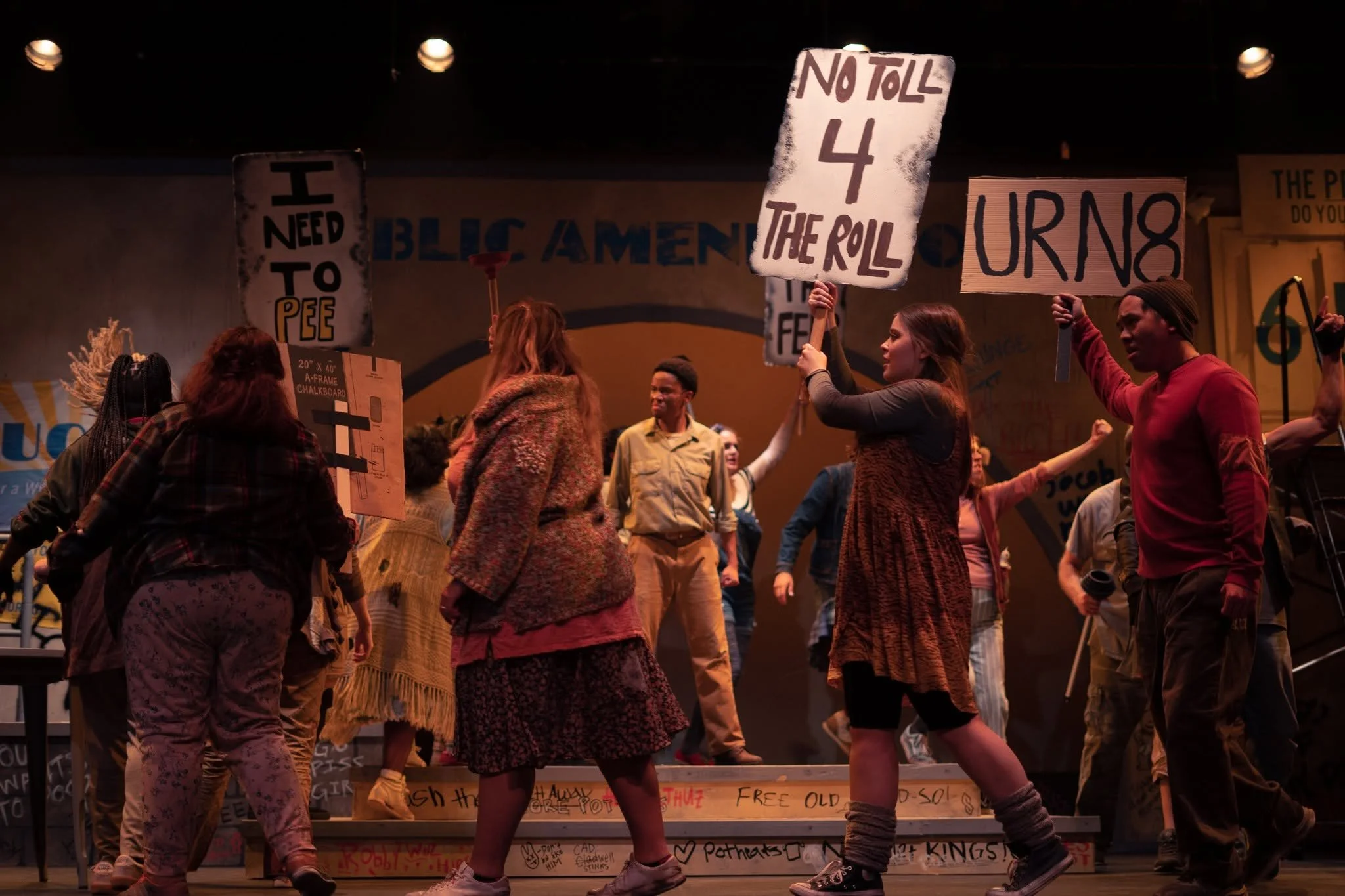
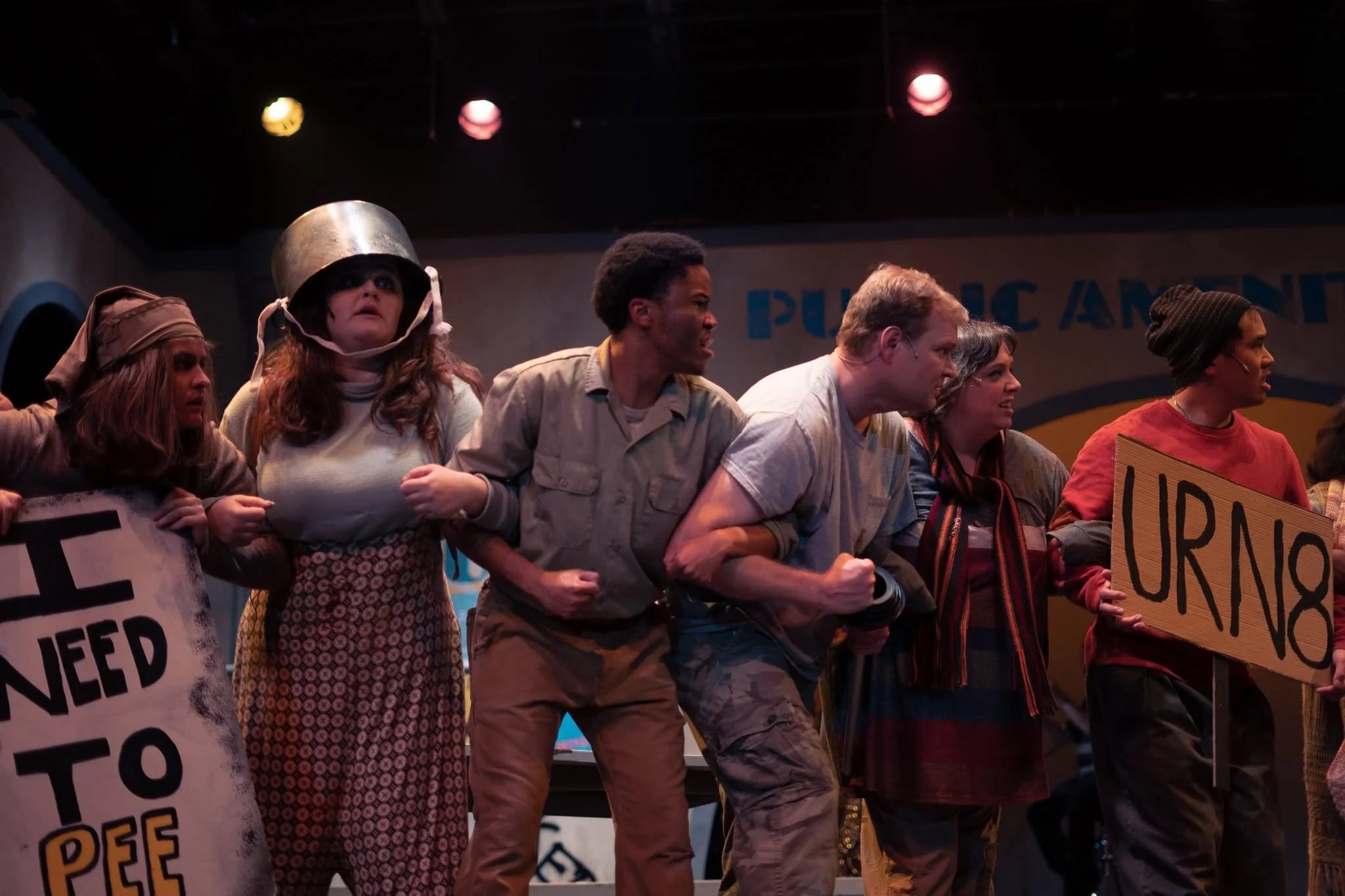
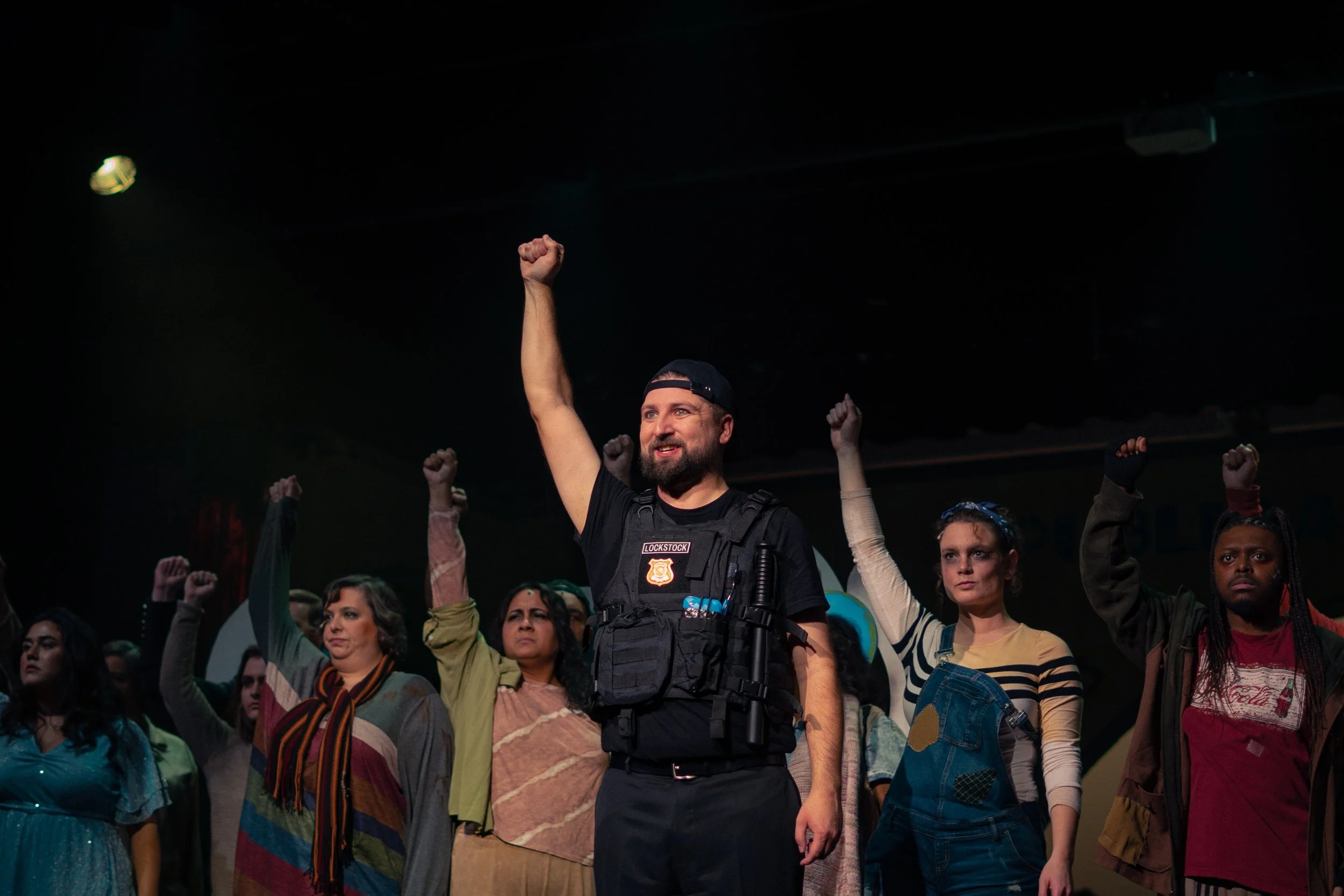
Rooted in a Theatre of Radical Compassion, the rehearsal process emphasized collaboration and collective creation. Drawing from the lived experiences of a diverse company, the cast collectively developed the production's visual language through themes including climate anxiety, inflation in late-stage capitalism, community policing, and social protest movements. This process amplified the Epic Theatre style of the piece by grounding its theatricality in images and cultural references that resonated with Montgomery County's diverse communities.
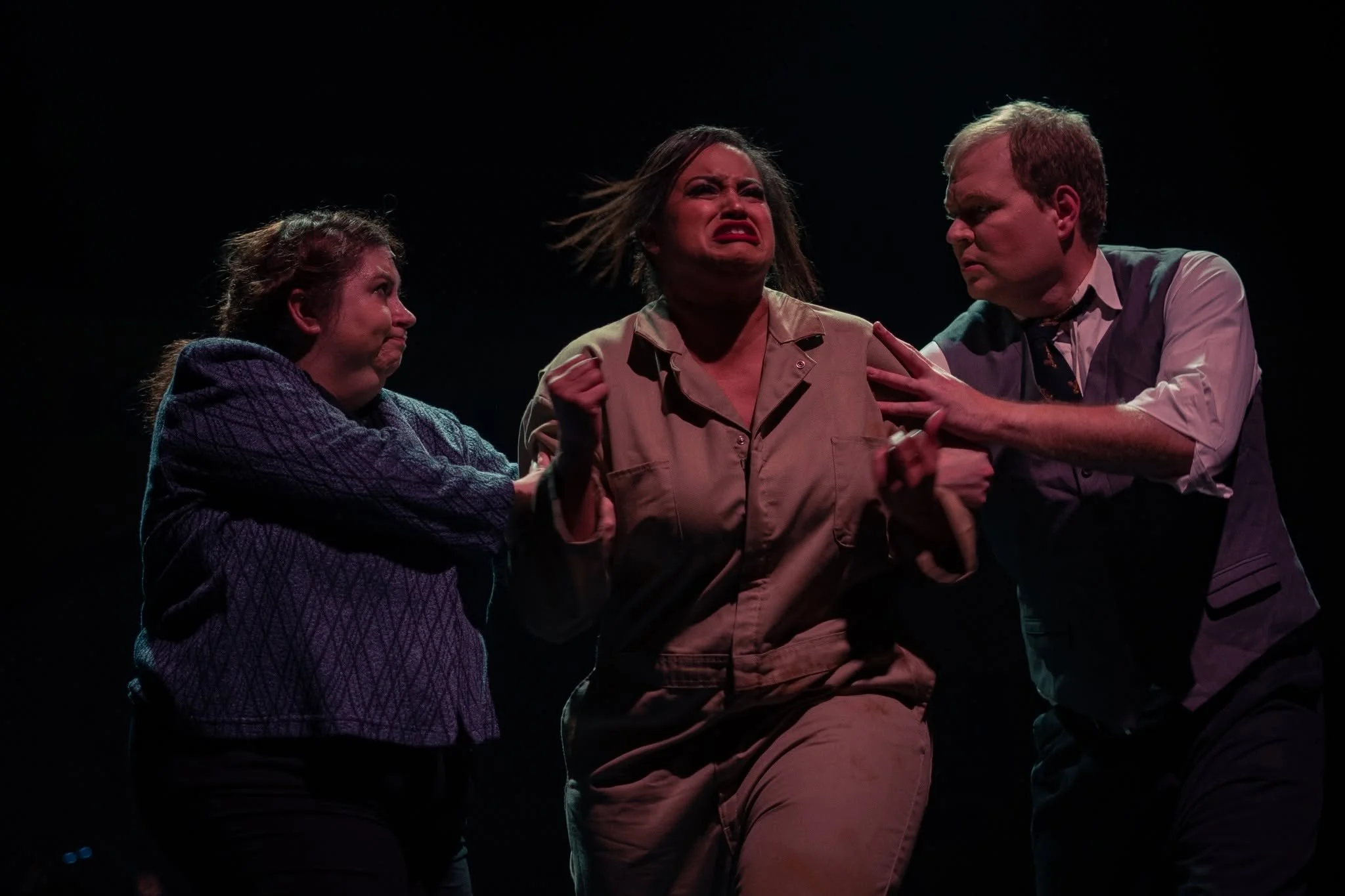
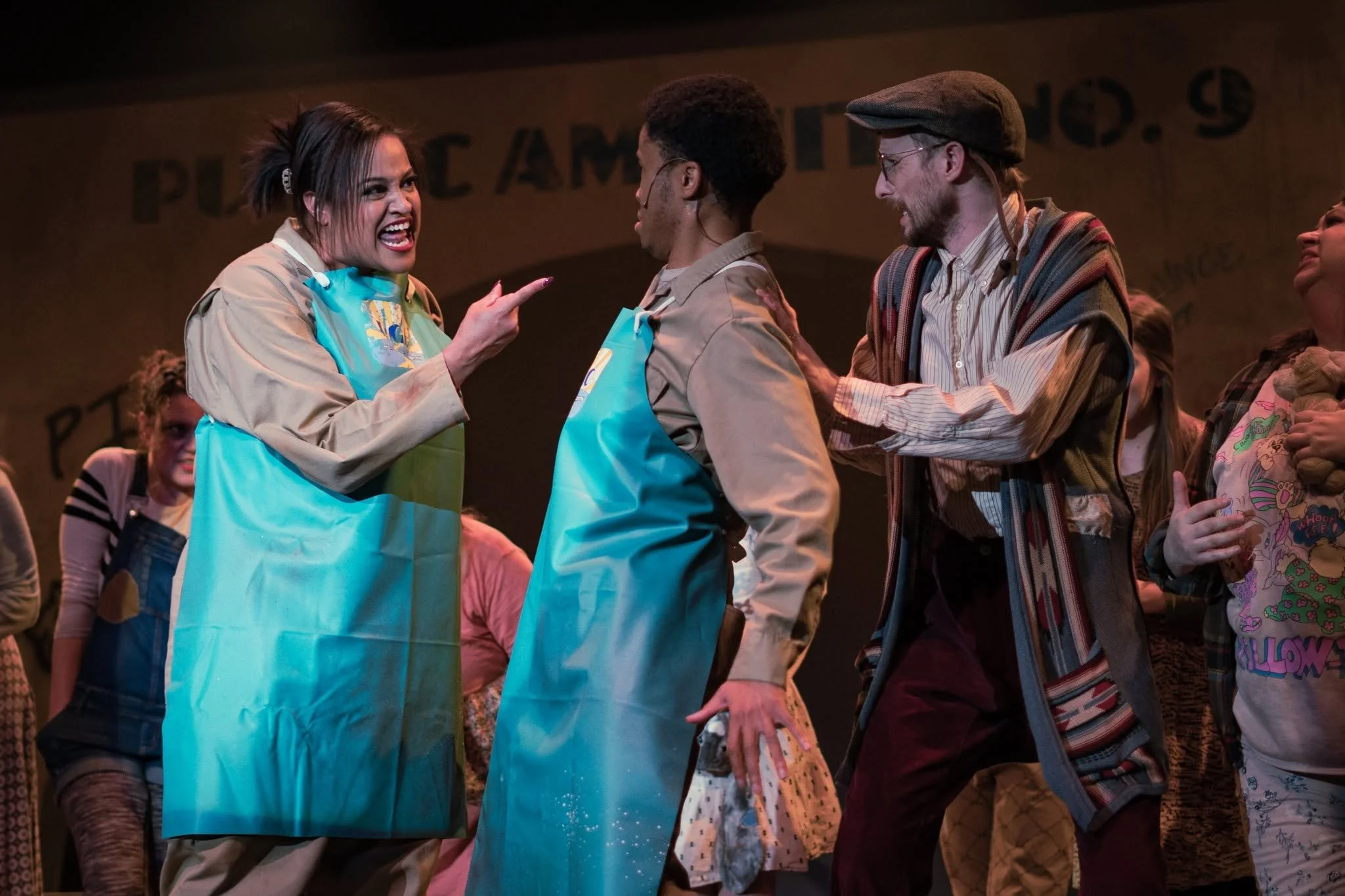
Rather than presenting a simple battle between heroes and villains, the production leaned into the play's central tension: when faced with ecological collapse, do we prioritize finite resources or human rights? By balancing broad comedy with thoughtful social critique, the production invited audiences to laugh, question the systems that shape our world, and imagine a future in which justice and sustainability need not be at odds.
Moment Work
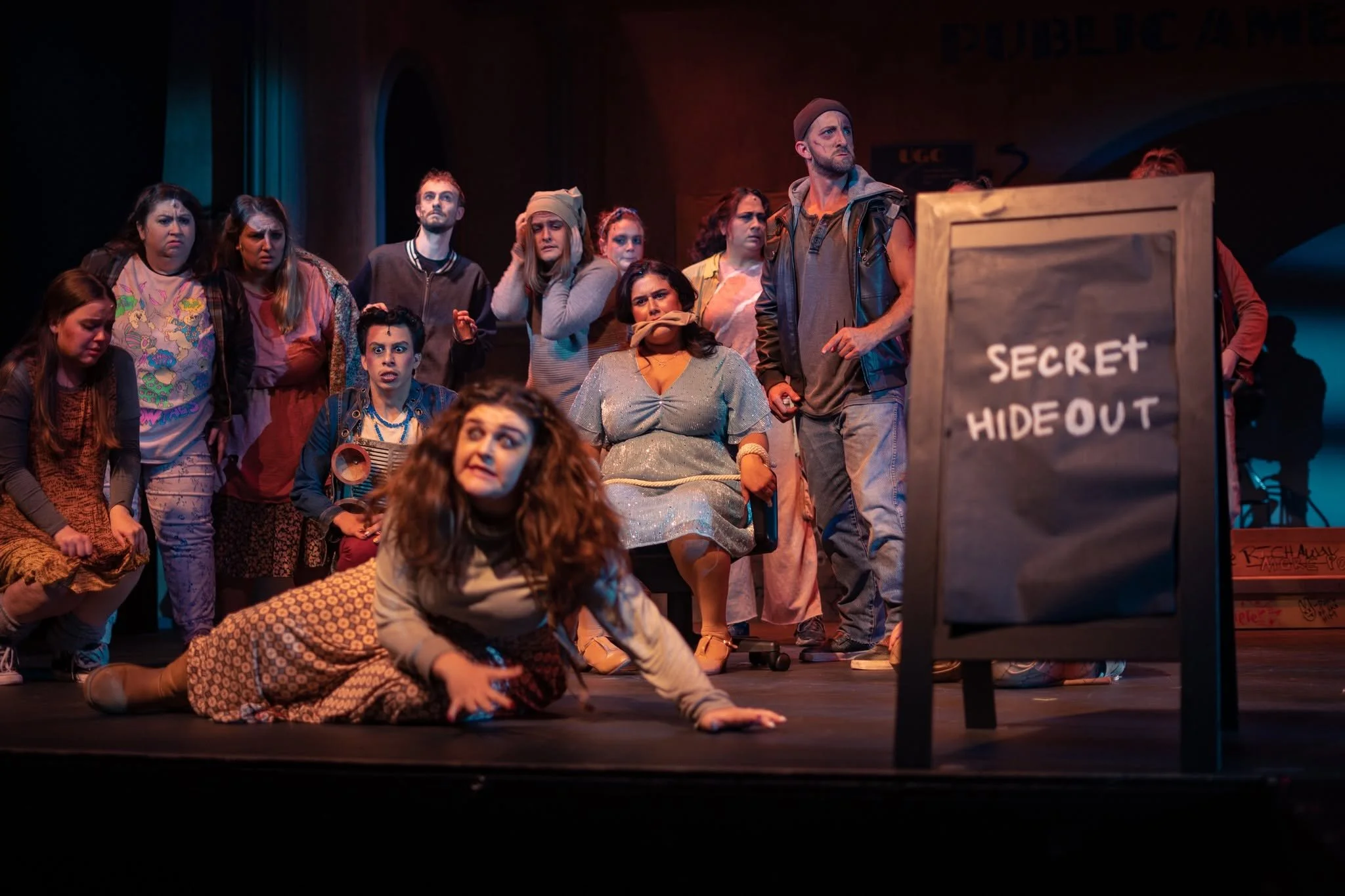
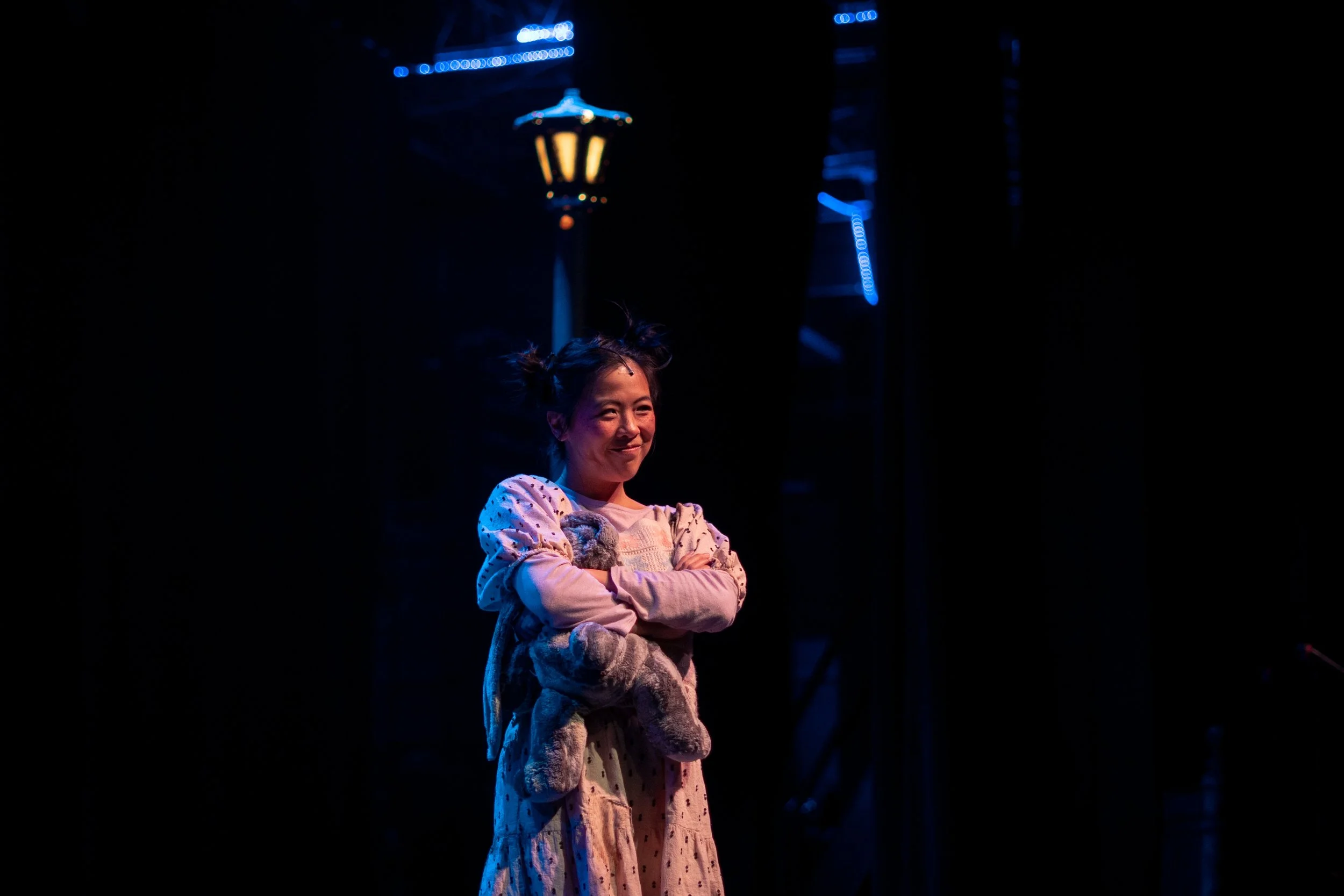
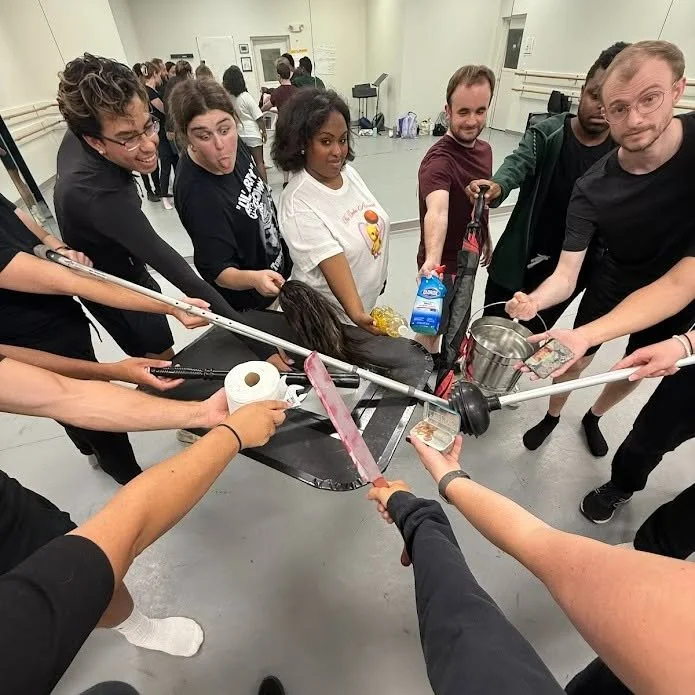
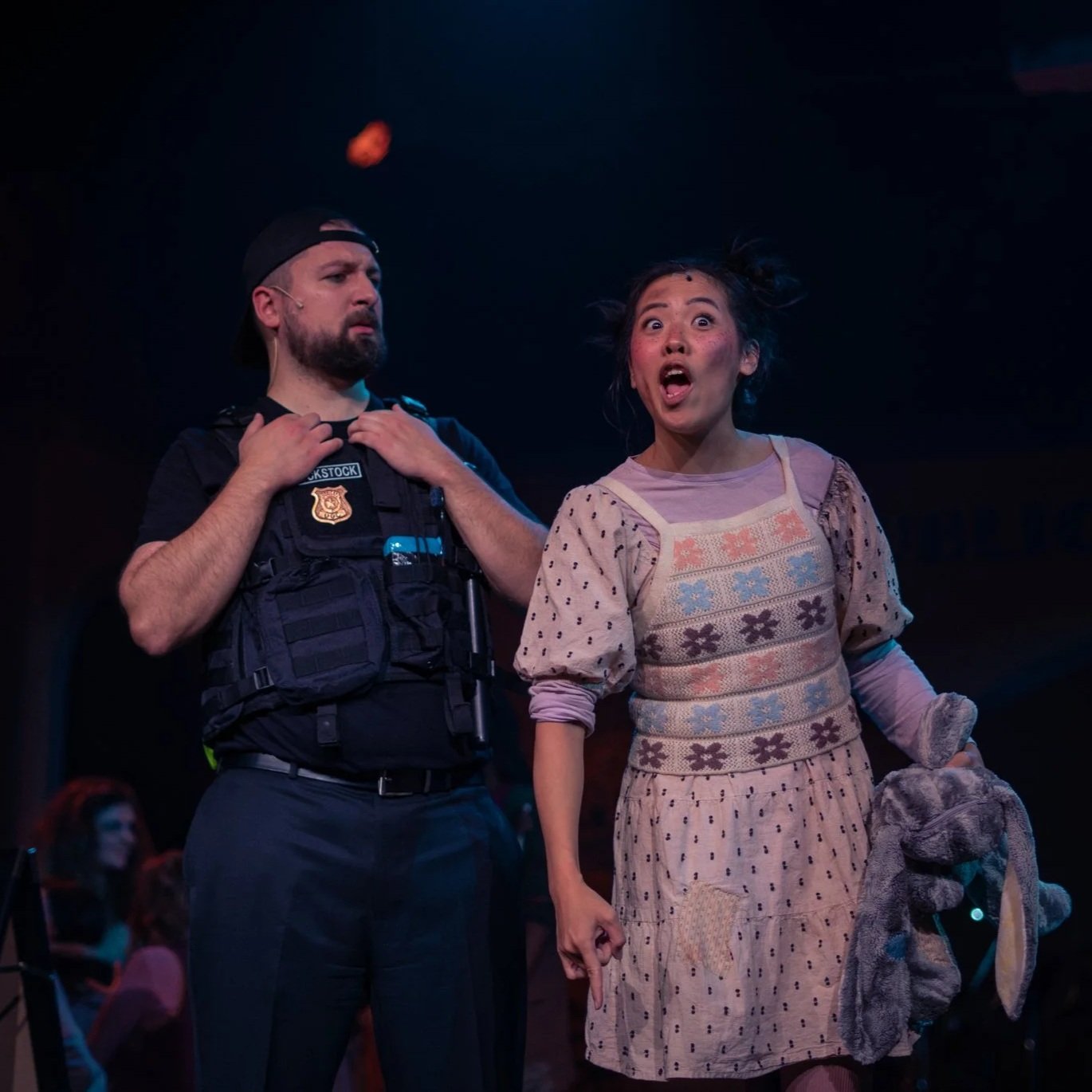
The production's visual world emerged through a collaborative moment work process, in which the cast explored the themes of Urinetown using found props, costume pieces, light sources, and sound-making objects that felt native to the world of the play. These devised explorations generated many of the production's most memorable visual ideas and reinforced the show's playful, inventive theatricality.
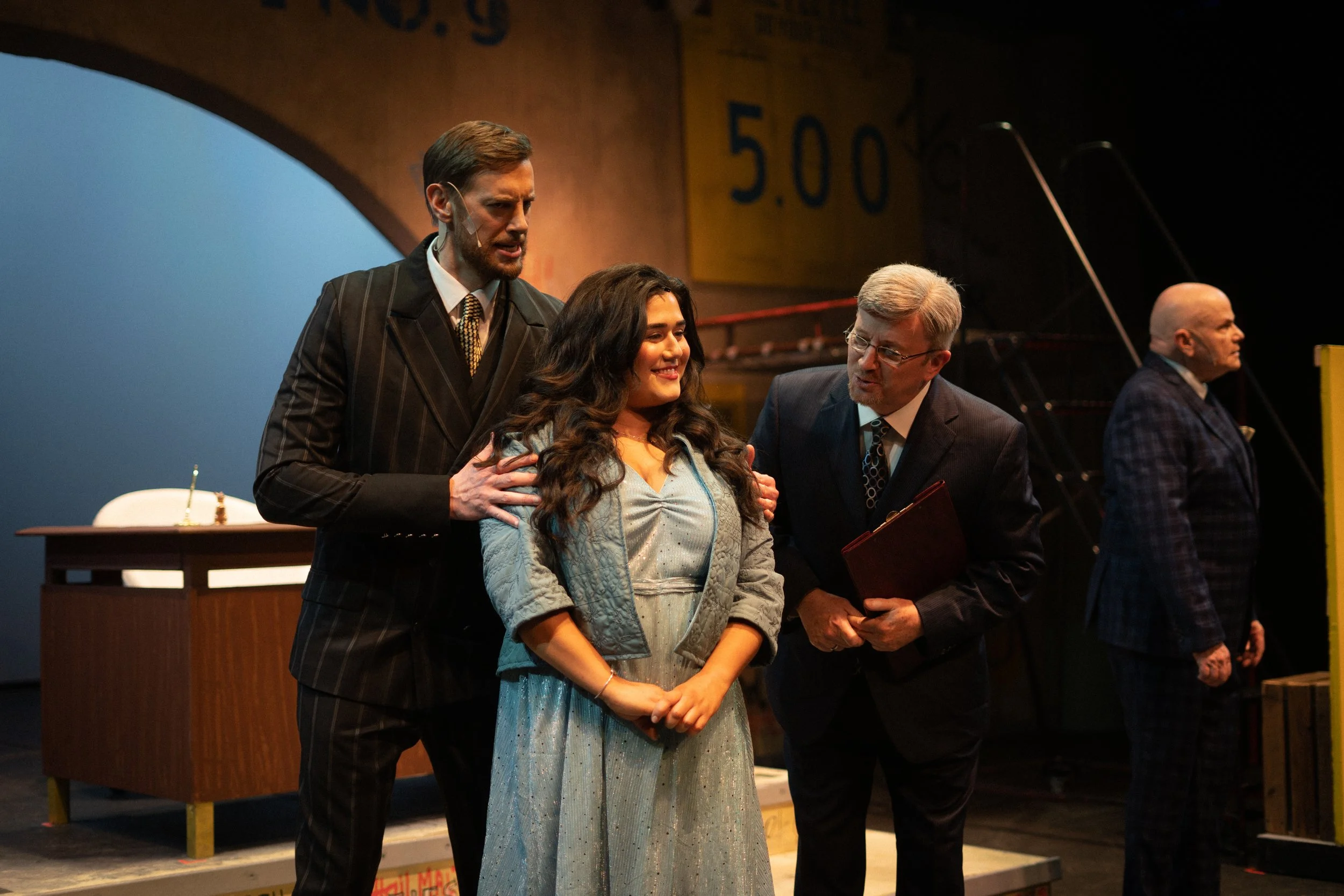
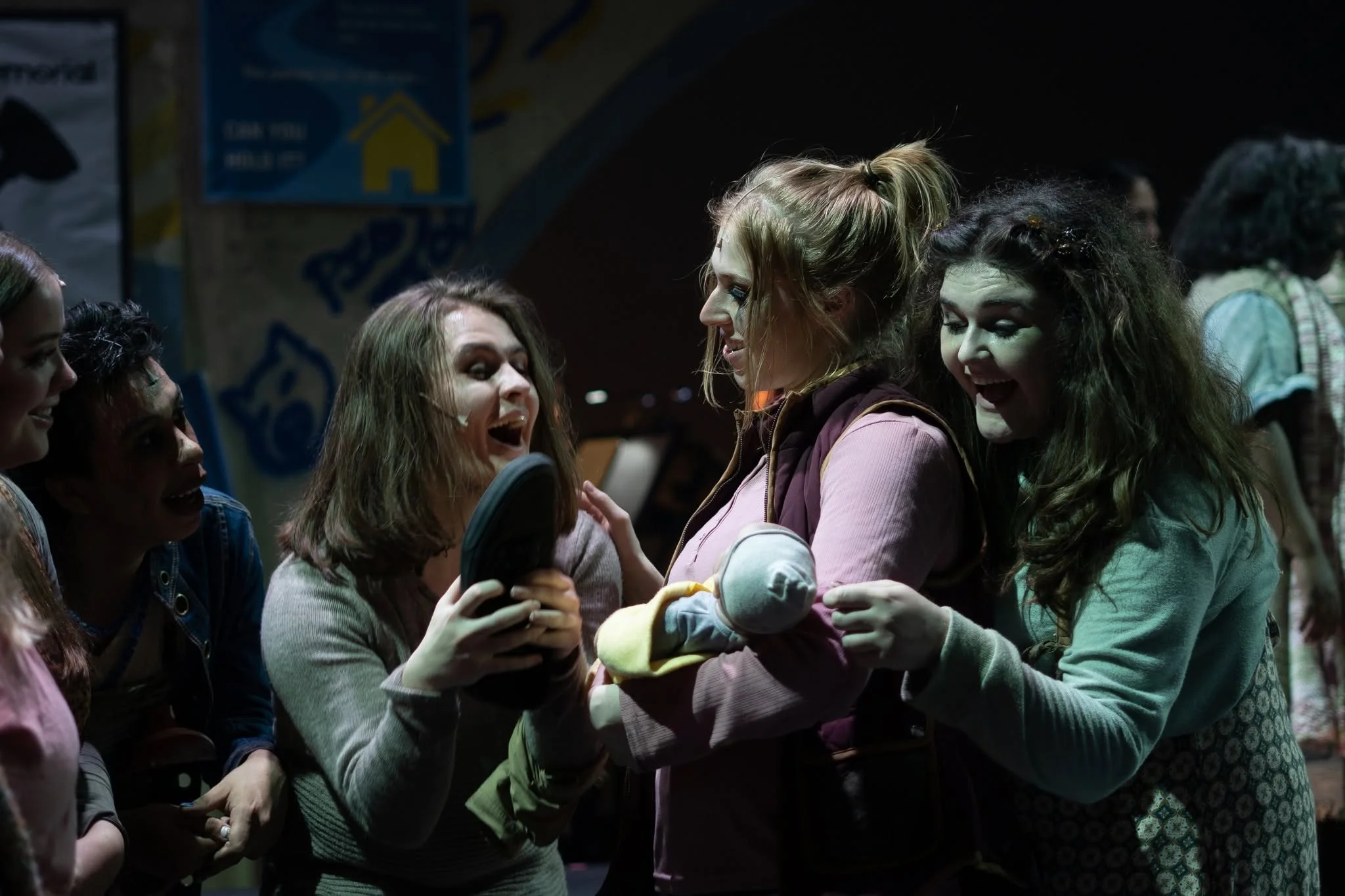
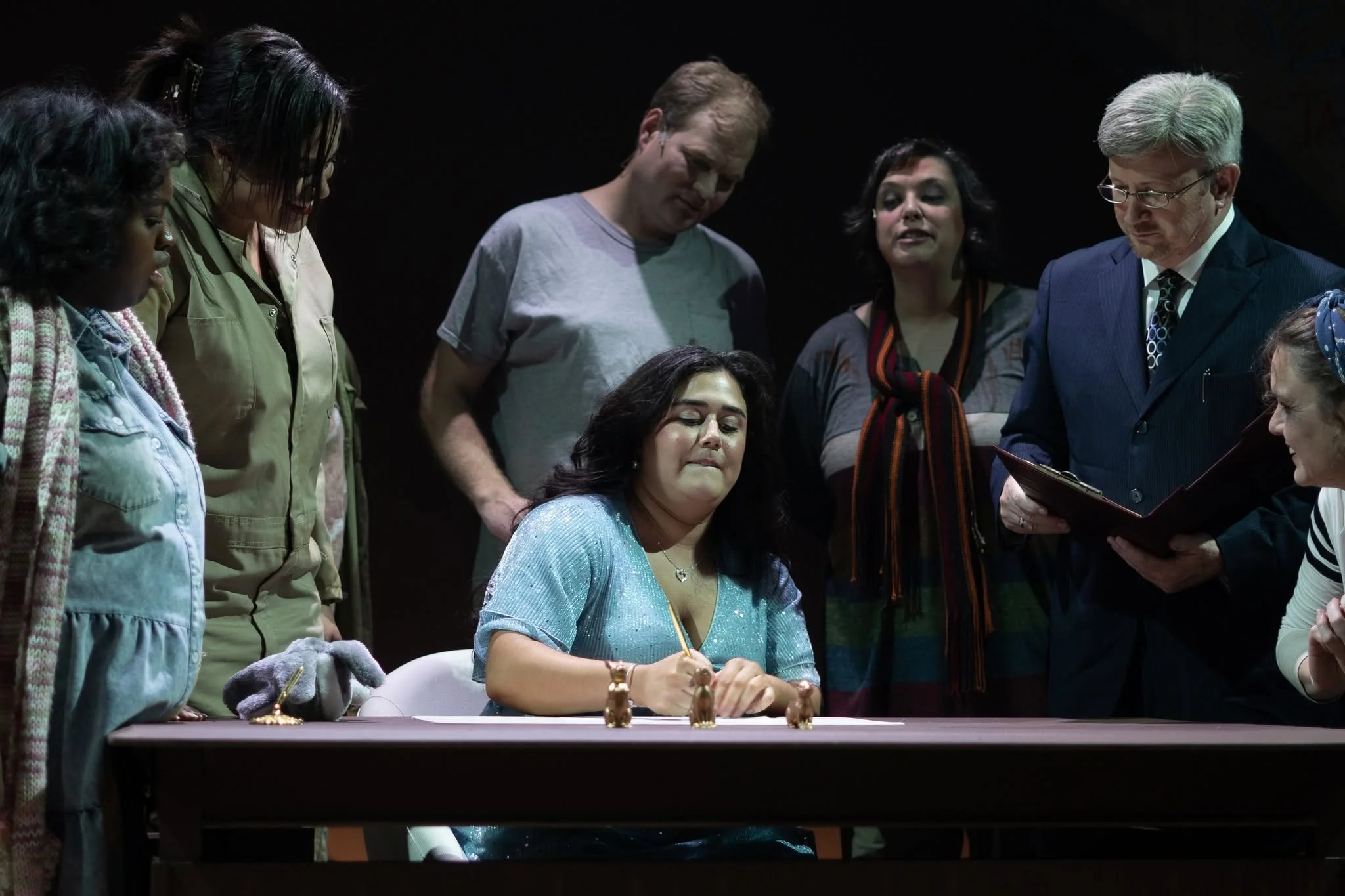
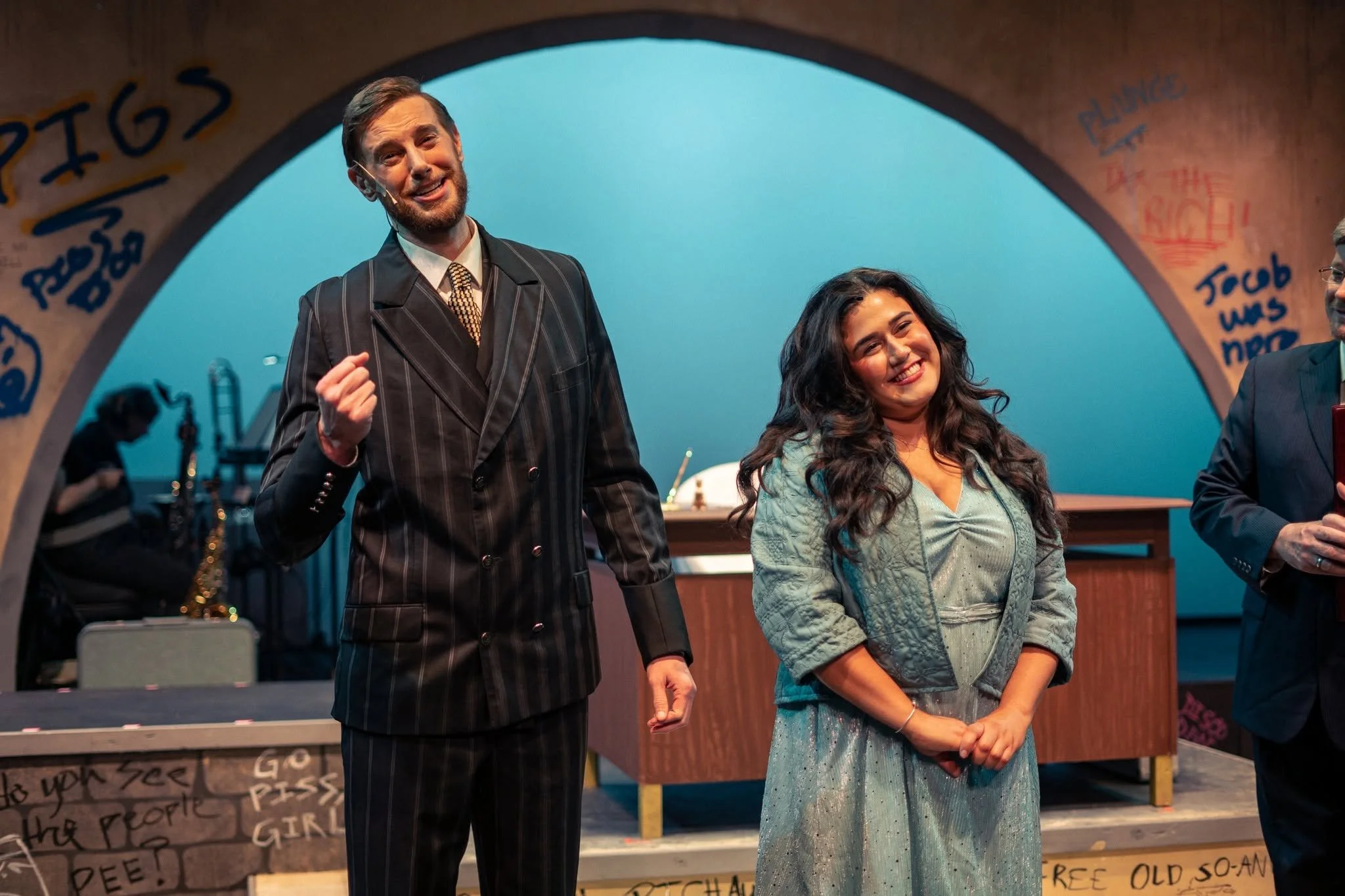
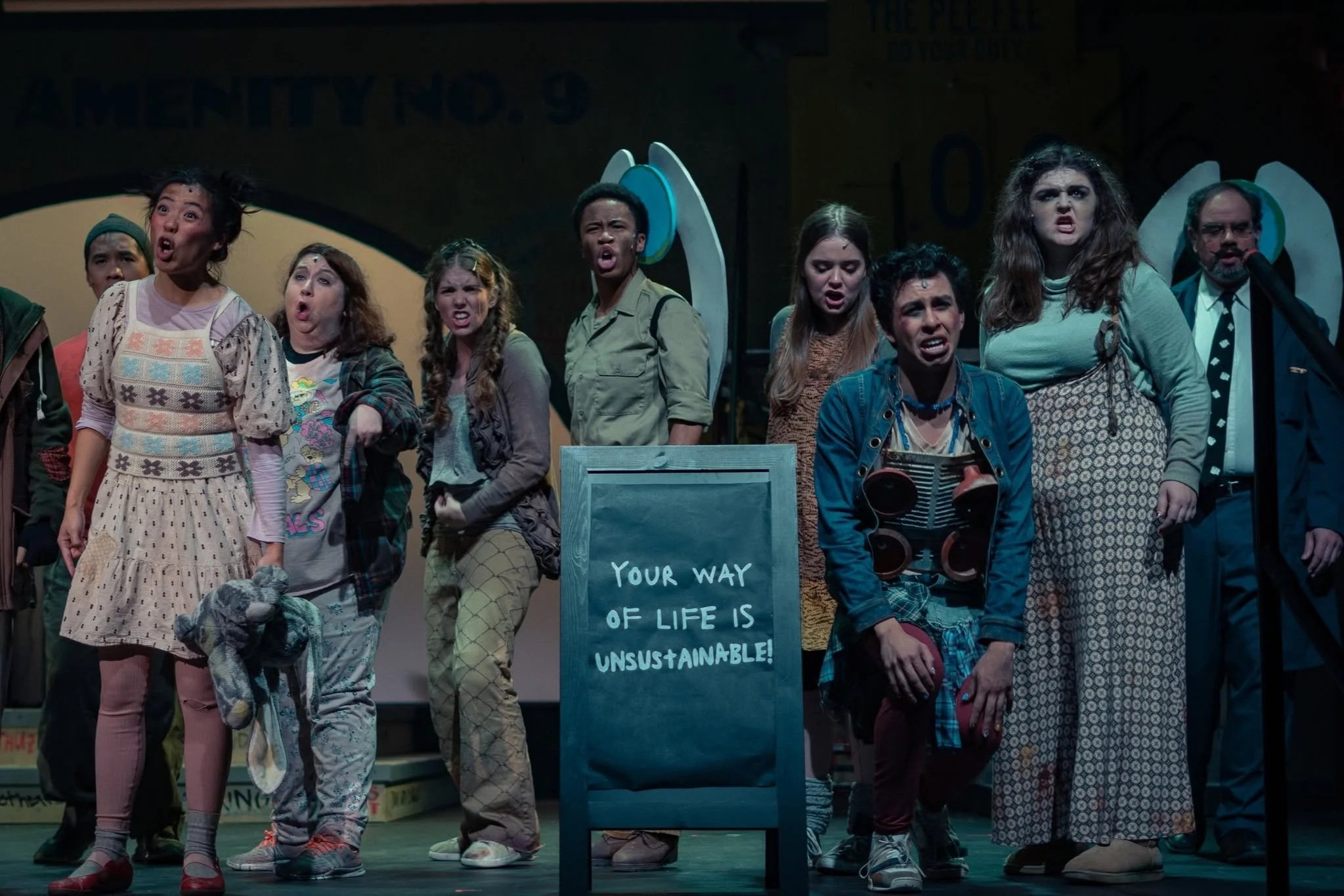
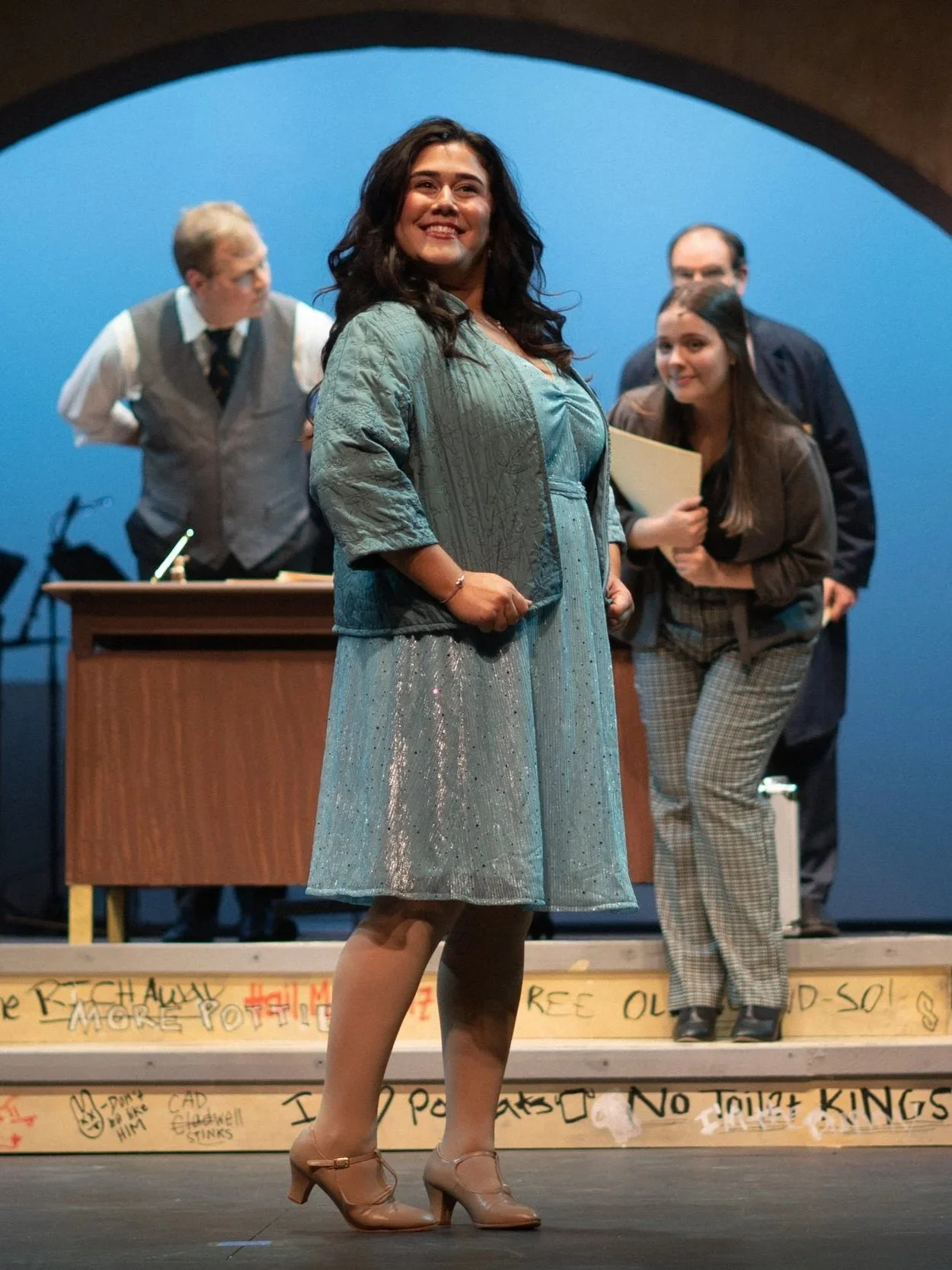
One particularly influential exercise, dubbed "Plunger Shoes," transformed the bell of a toilet plunger into fashionable footwear, inspiring the concept that the city's elite were wealthy enough to wear bathroom fixtures as luxury accessories. This idea evolved into several key costume elements, including Hope's quilted bolero jacket, subtly patterned to evoke quilted toilet paper, and the stylized costumes of the deceased characters, whose angel wings were constructed from toilet seats and whose halos were fashioned from urinal cakes.
Essence Work
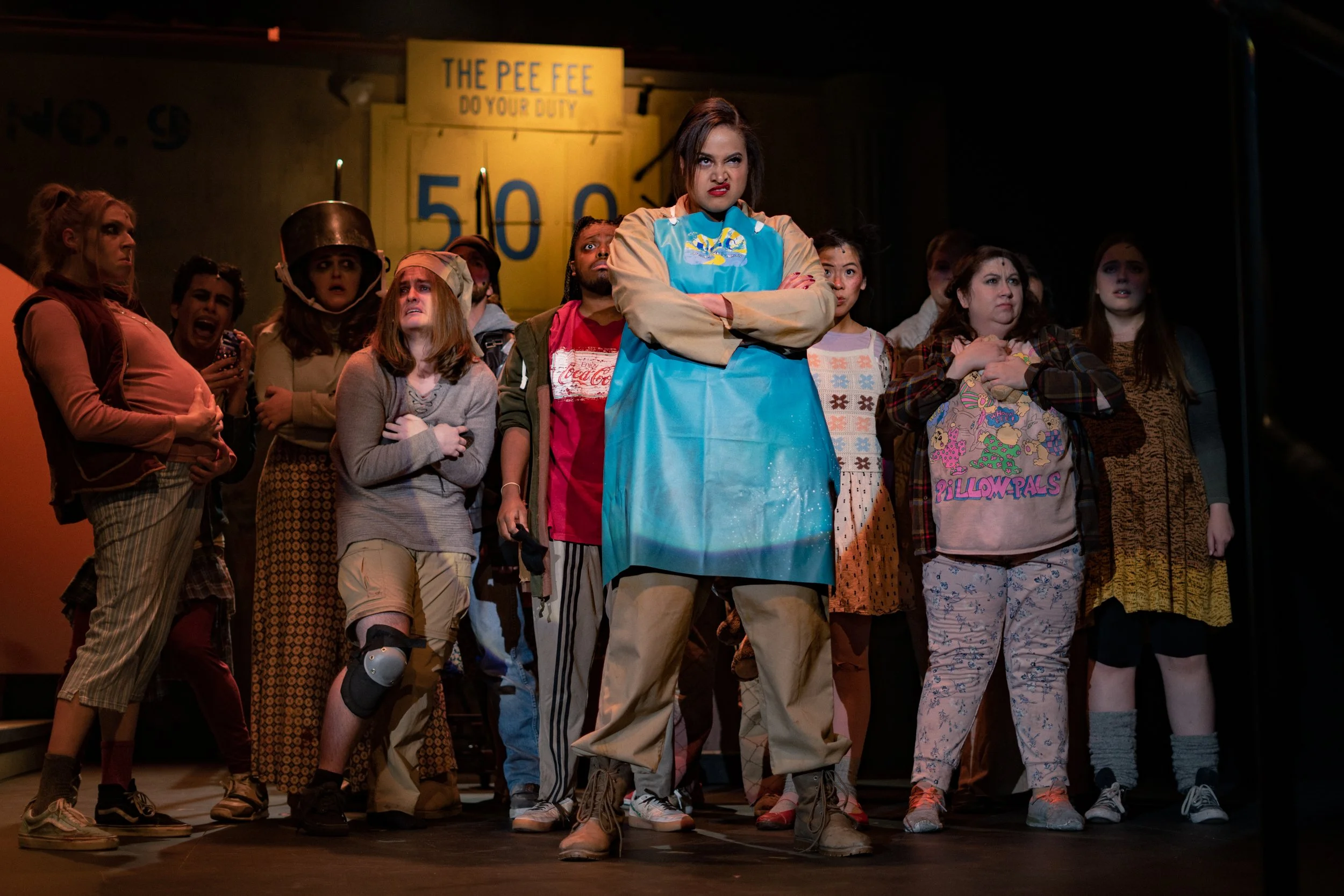
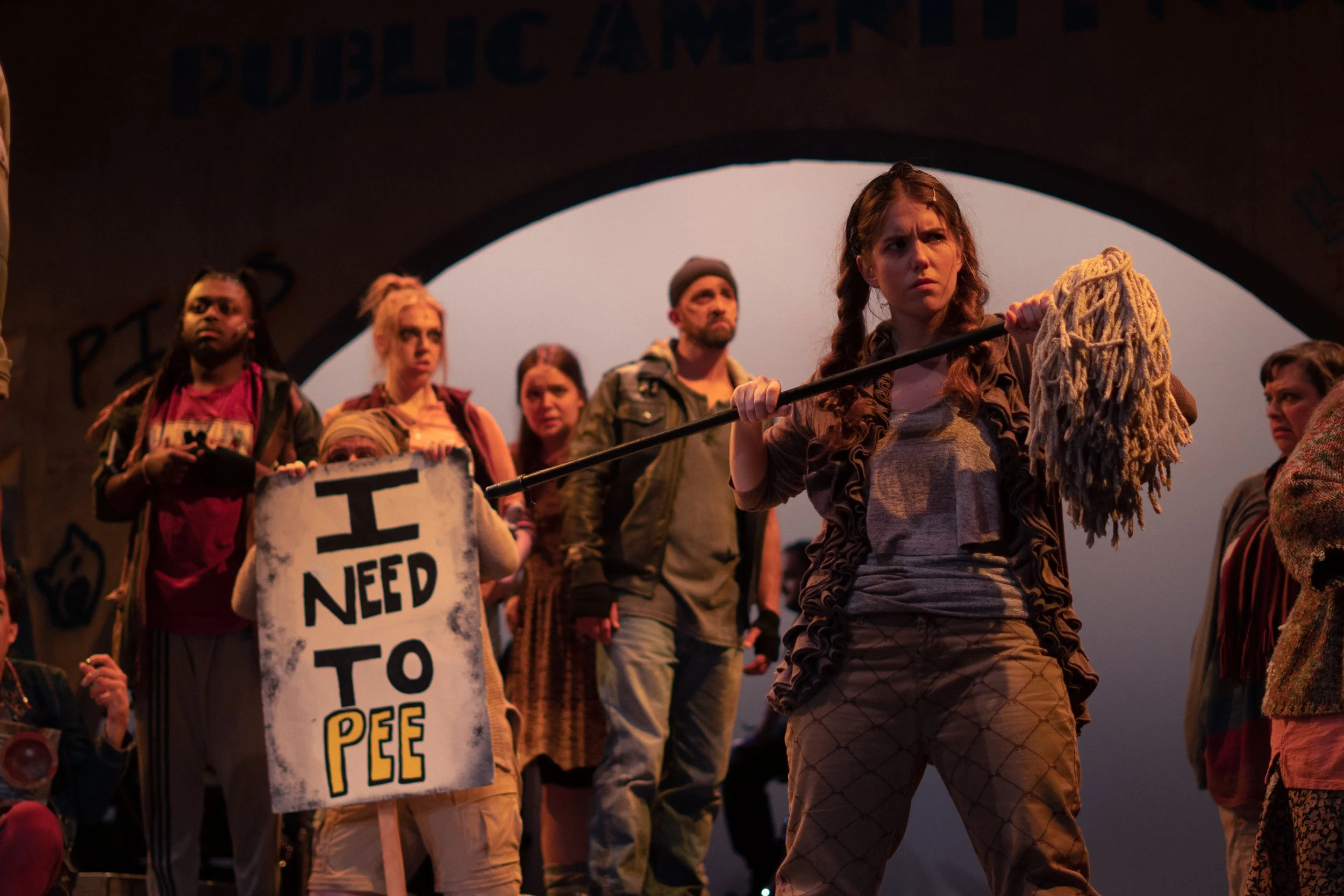
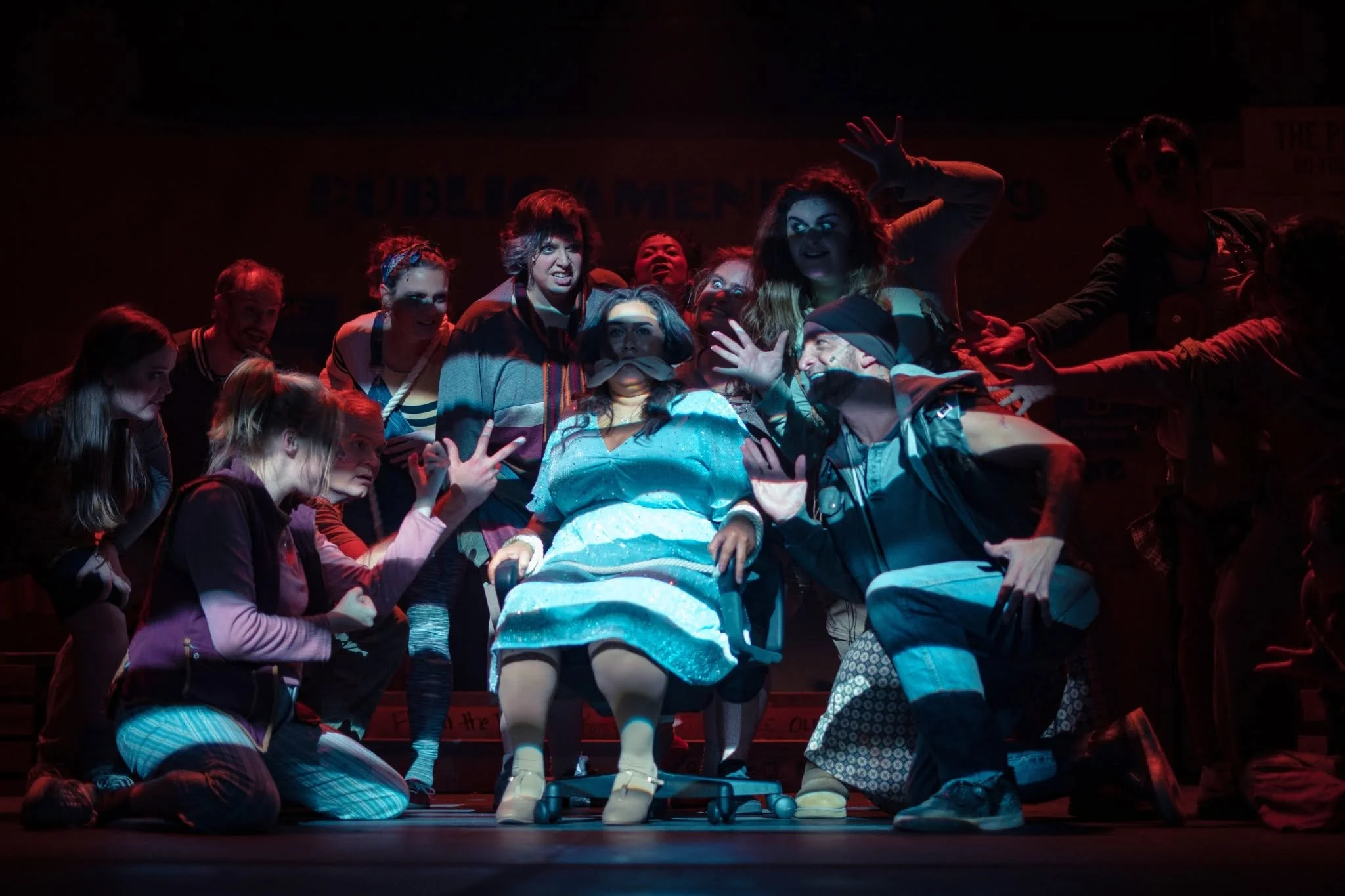
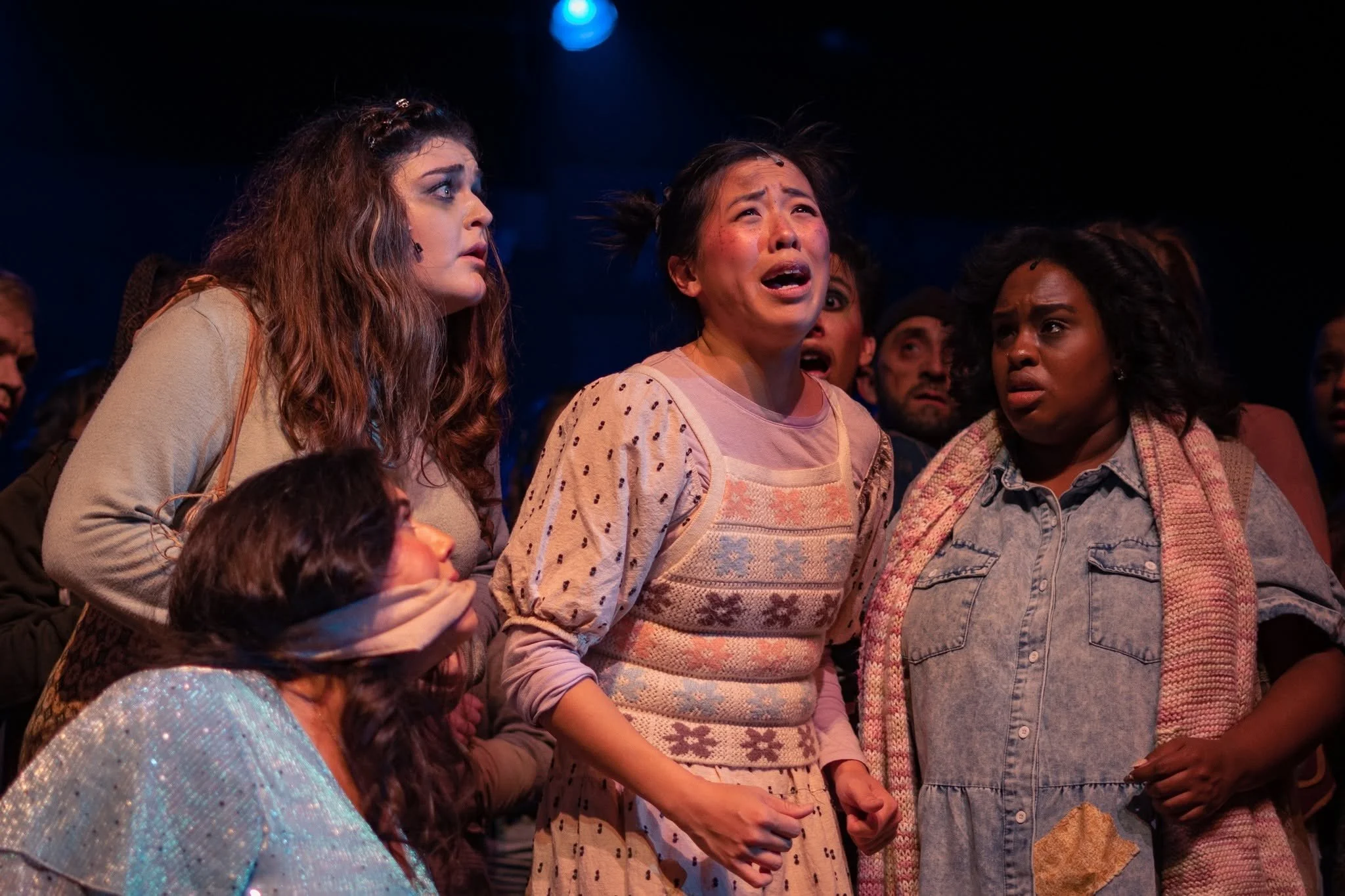
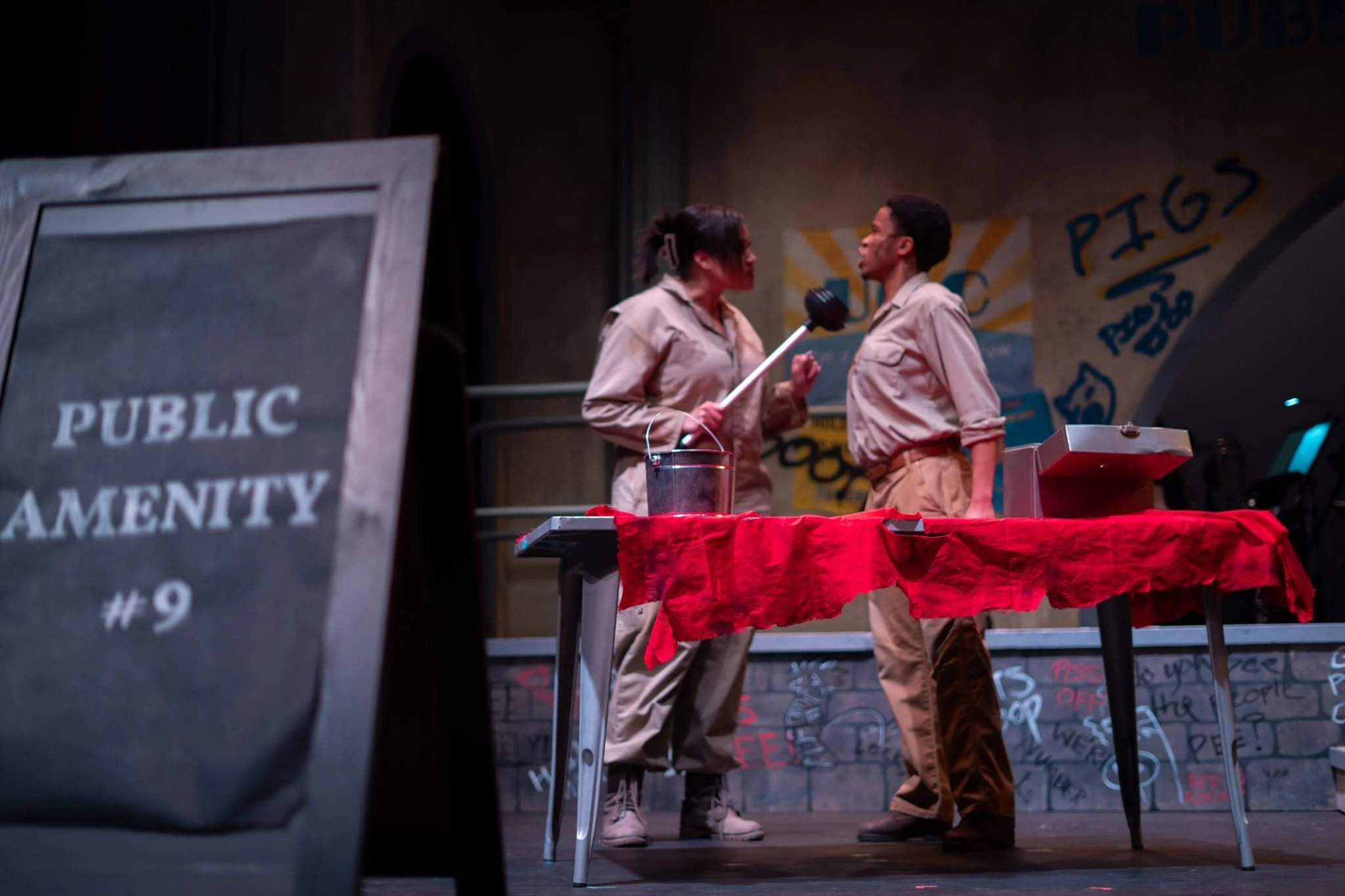
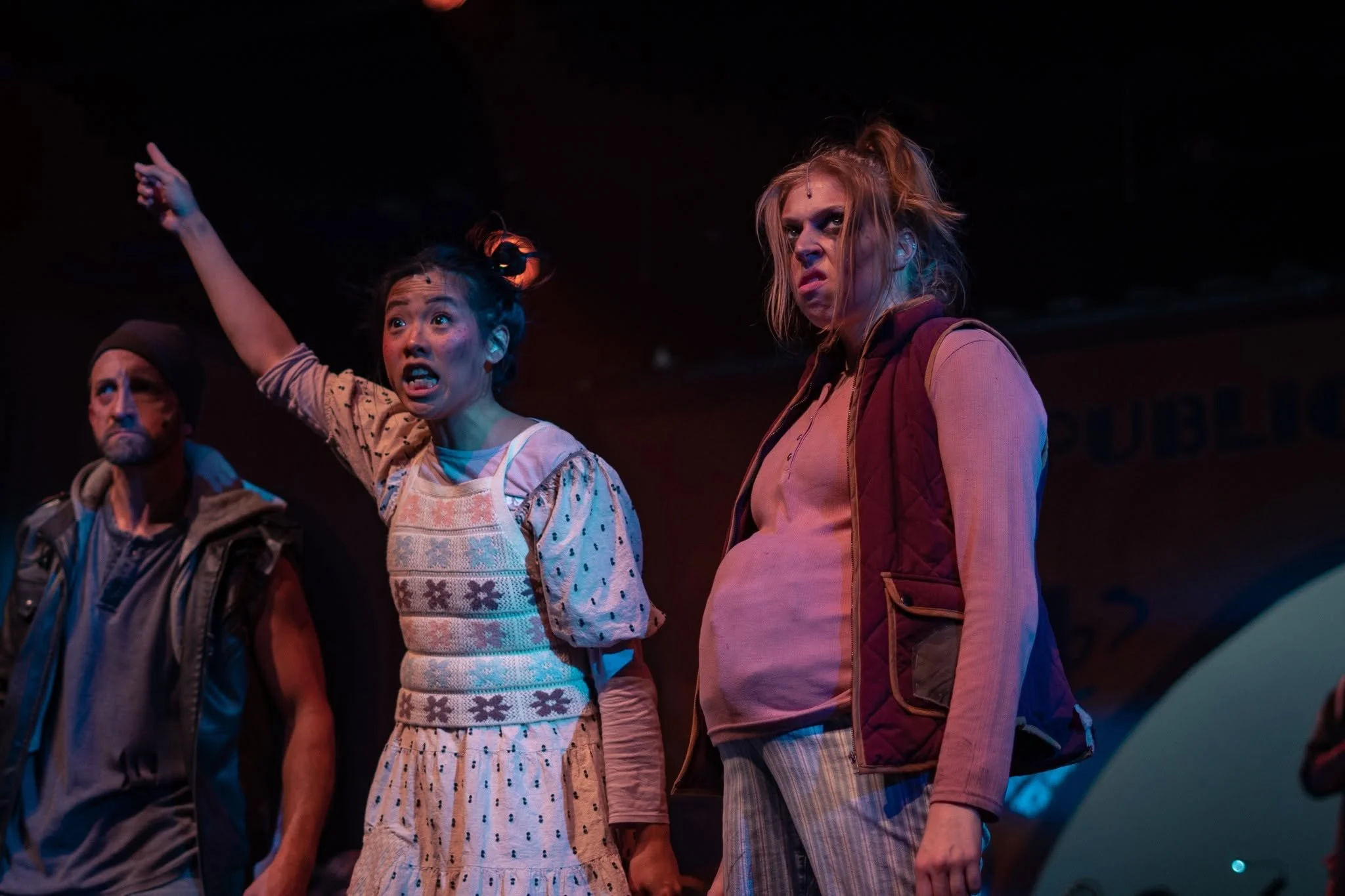
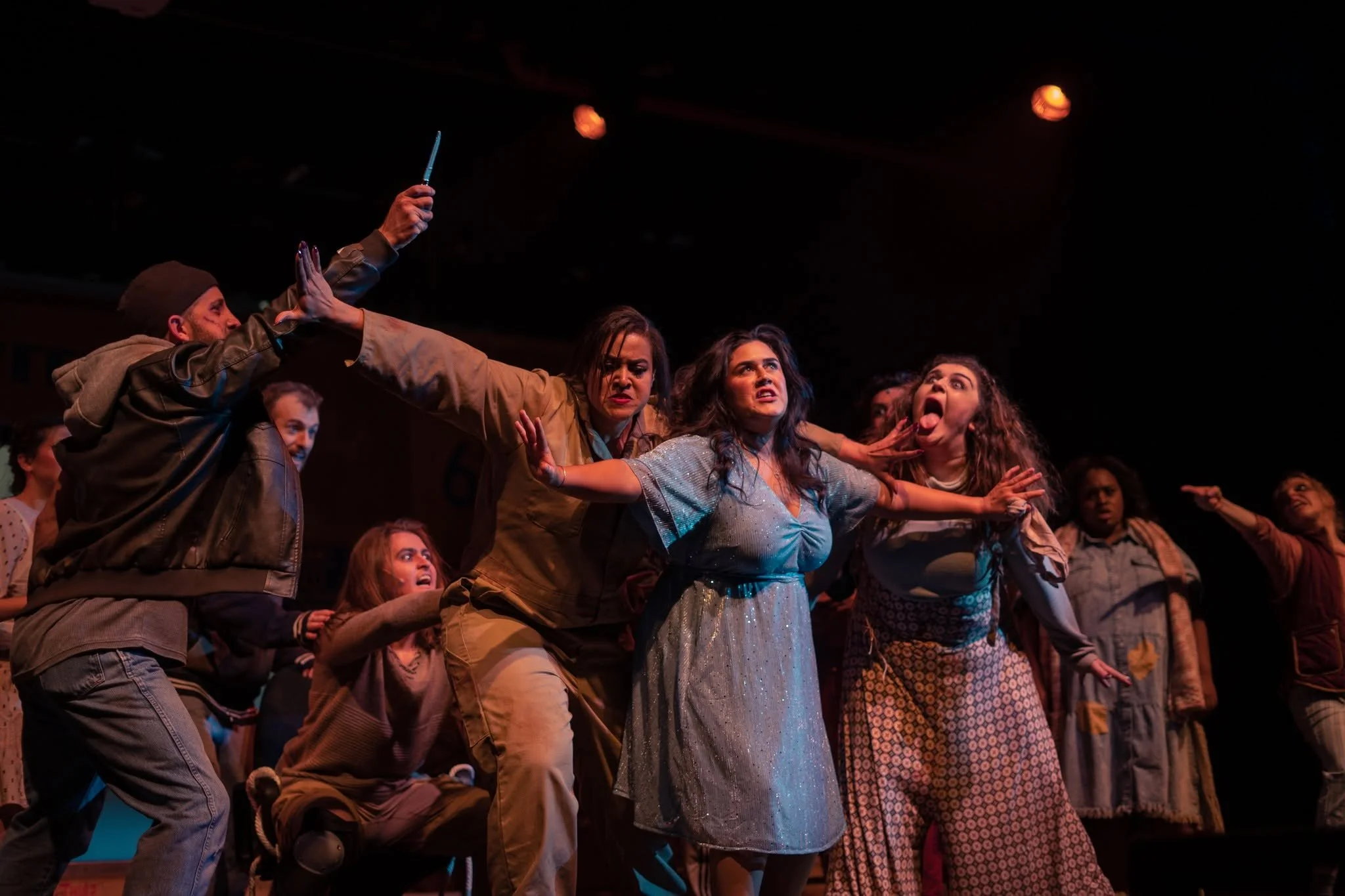
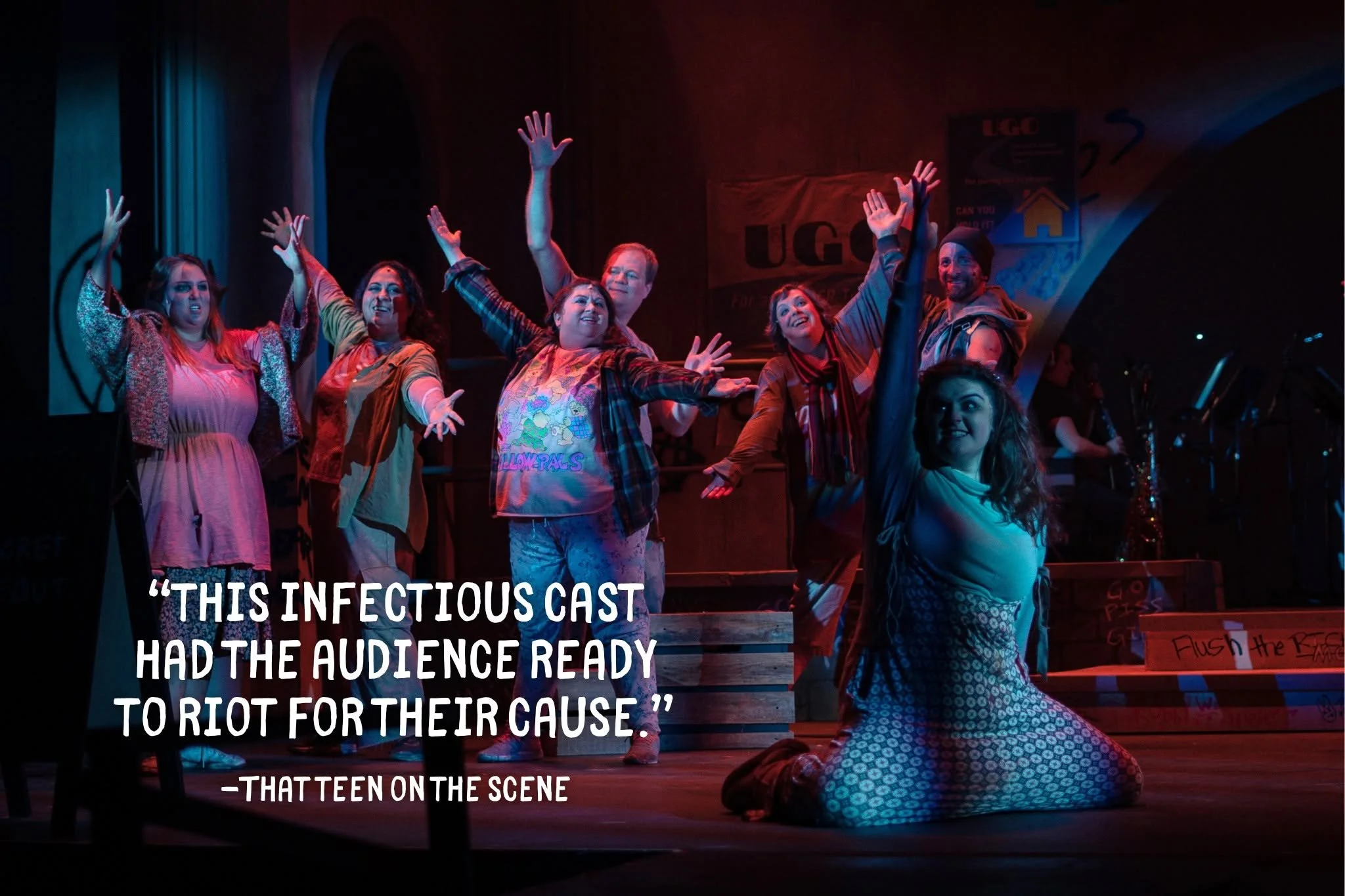
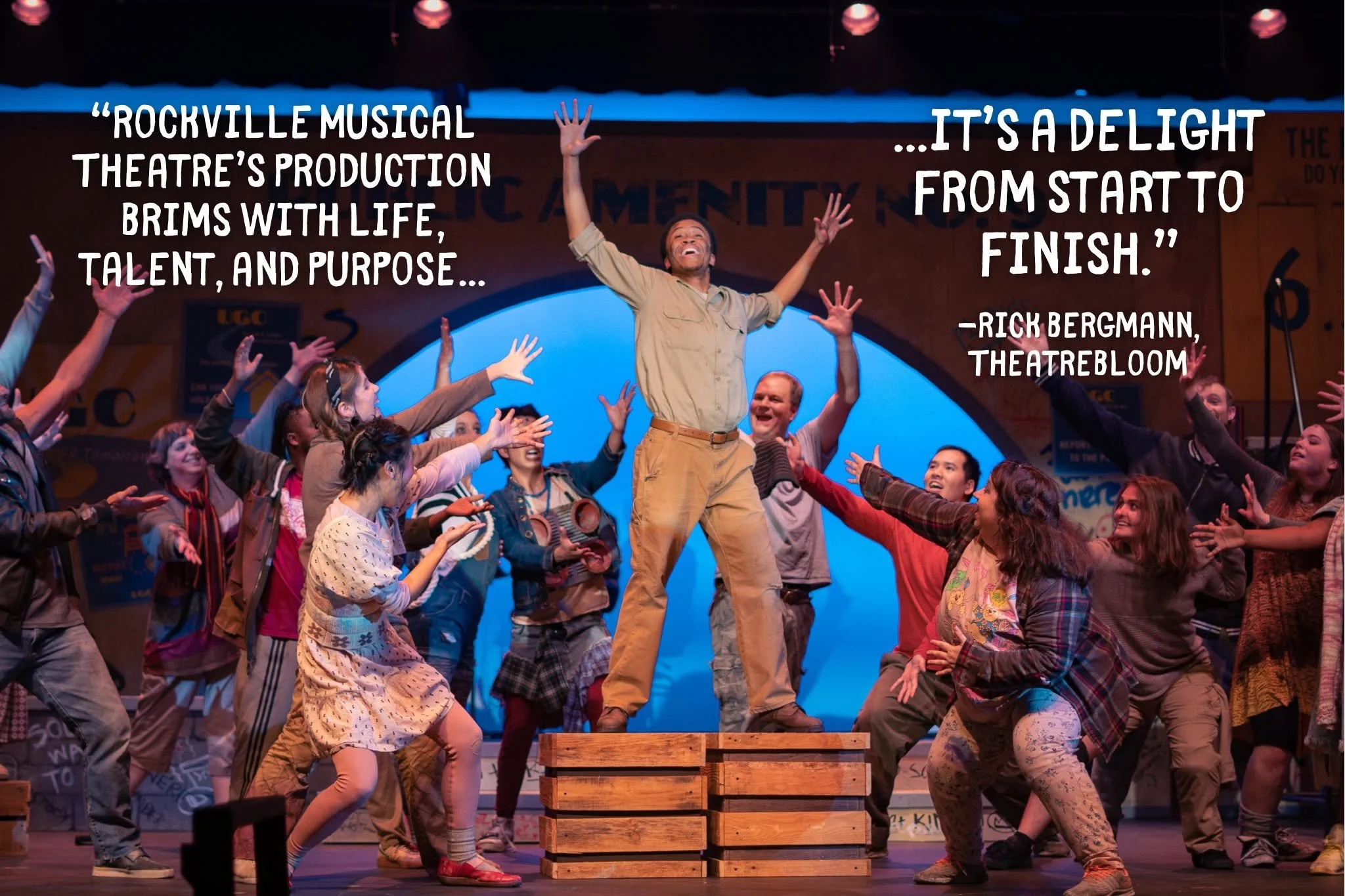
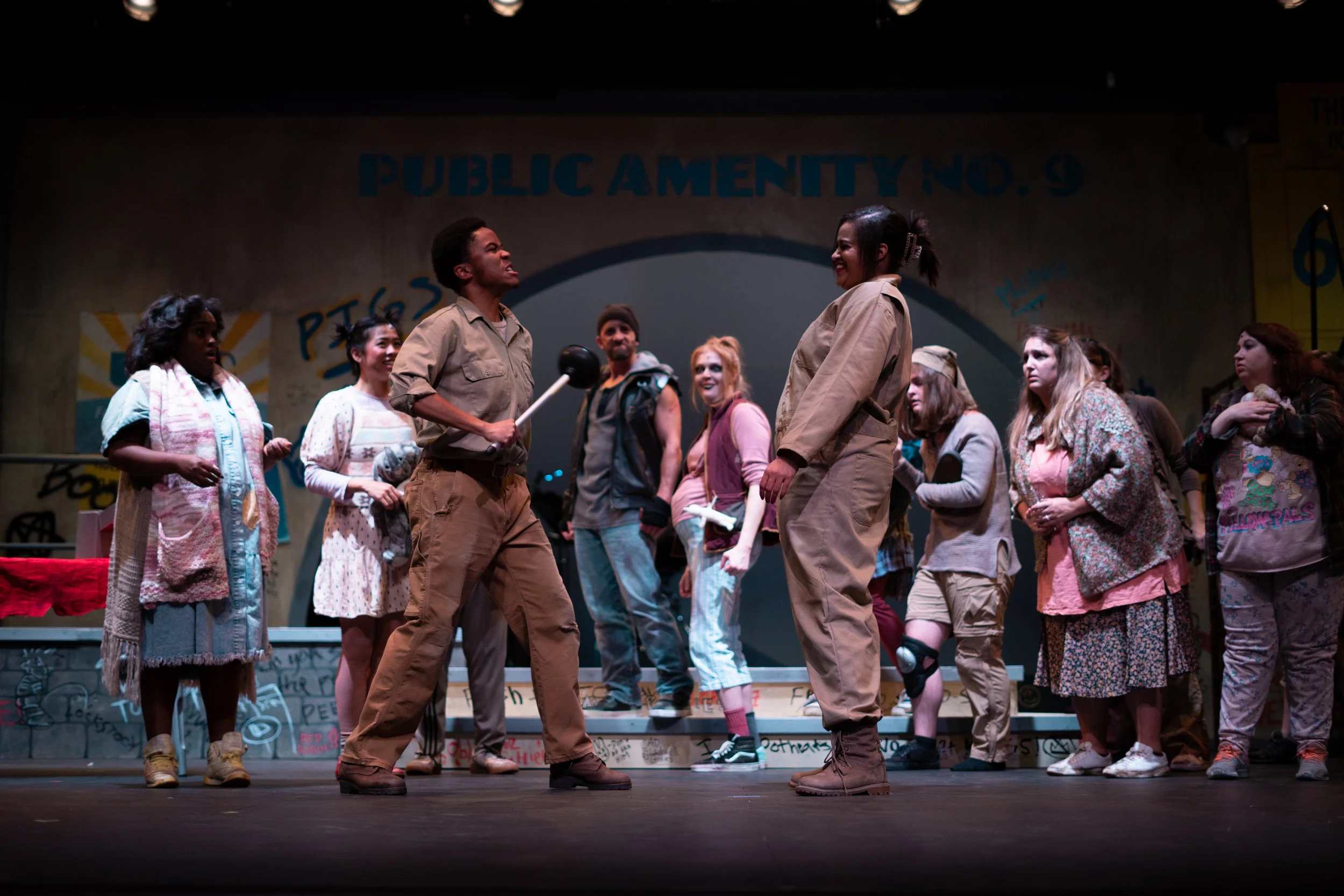
To develop a shared physical vocabulary for the ensemble, the rehearsal process incorporated essence work focused on the daily lives of the city's poorest citizens. Through a series of devised "Poor Scores," each actor explored the beginning of their character's day as they made their way to Public Amenity #9. These exercises established how characters safeguarded their precious pennies, defined their relationships within the community, and embodied the distinct qualities suggested by names like Soupy Sue, Tiny Tom, Little Becky Two Shoes, and Hot Blades Harry.
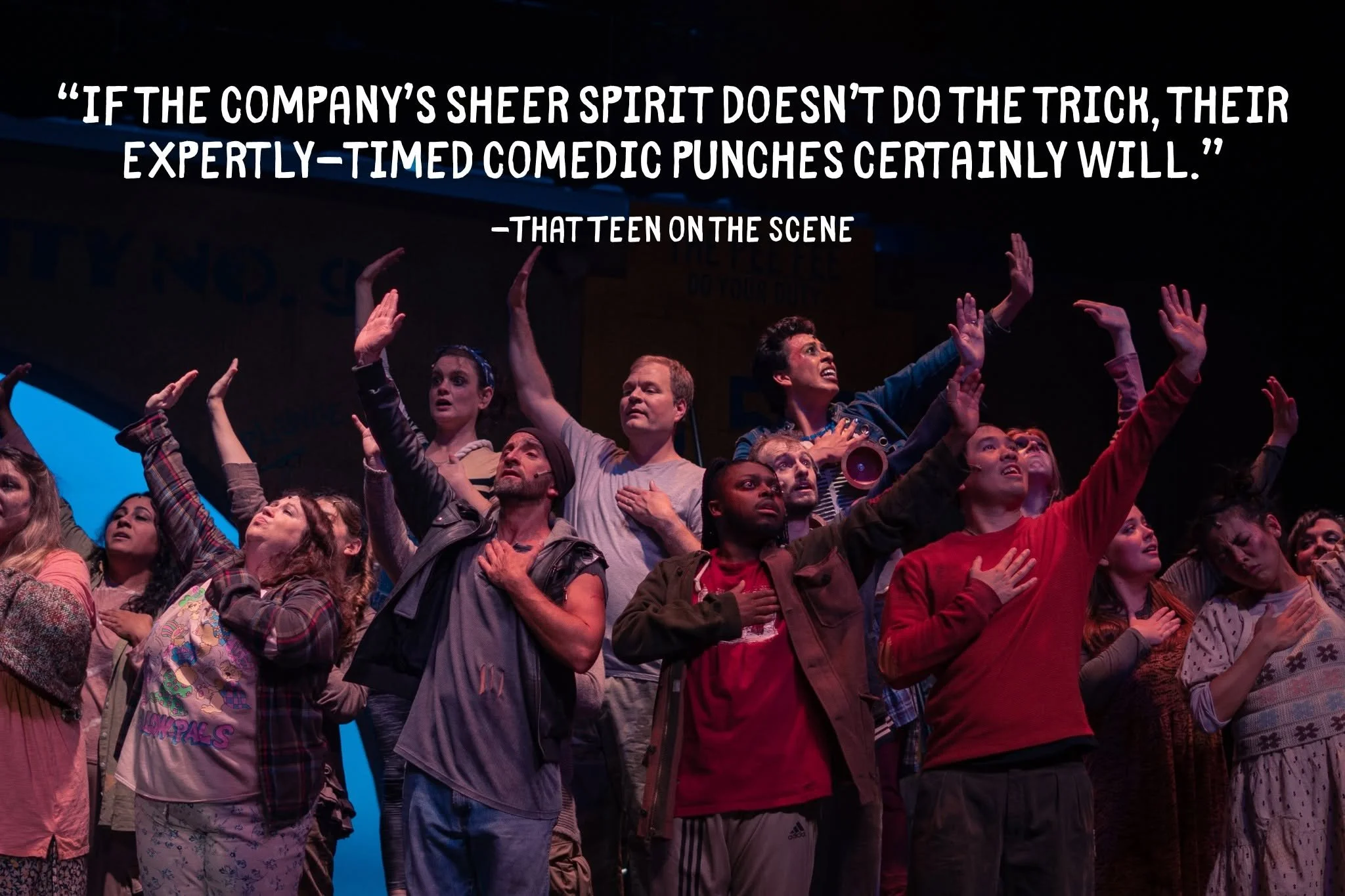
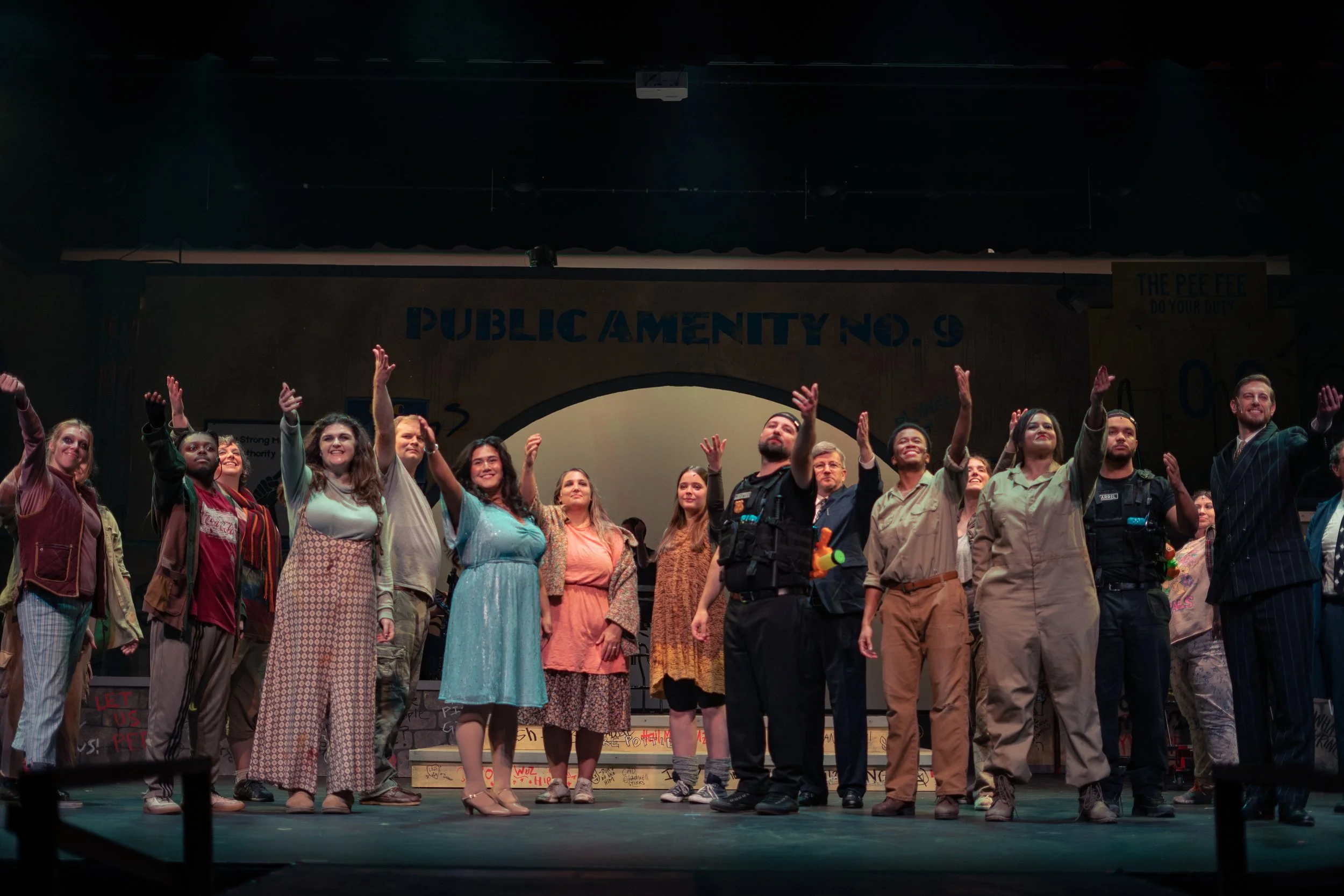
The resulting movement sequences became a physical shorthand for the ensemble, strengthening both characterization and storytelling throughout the production. This shared vocabulary informed key moments in "Prologue," "It's a Privilege to Pee," and "Look at the Sky," reinforcing the community's resilience while creating a cohesive and expressive ensemble presence.